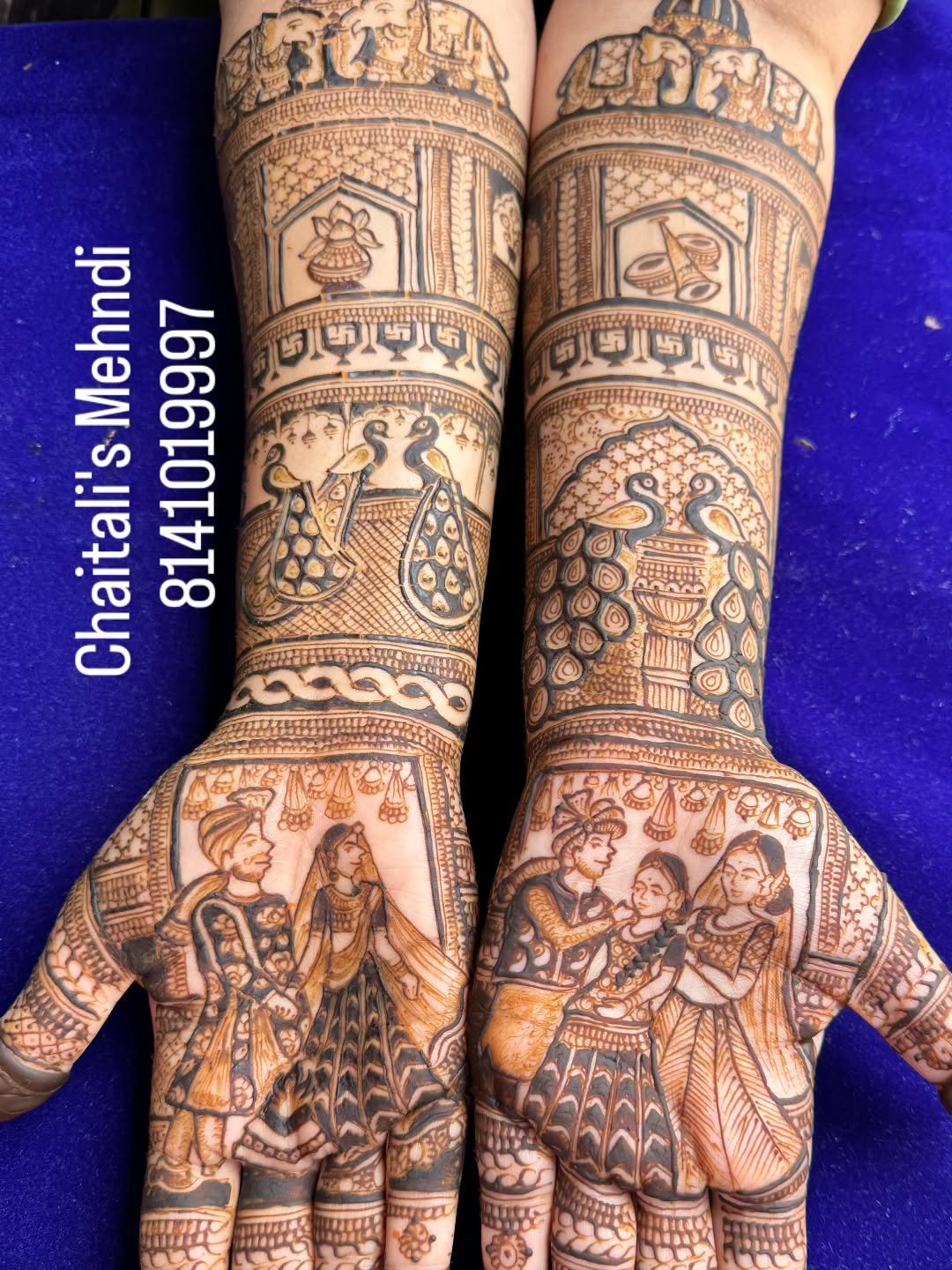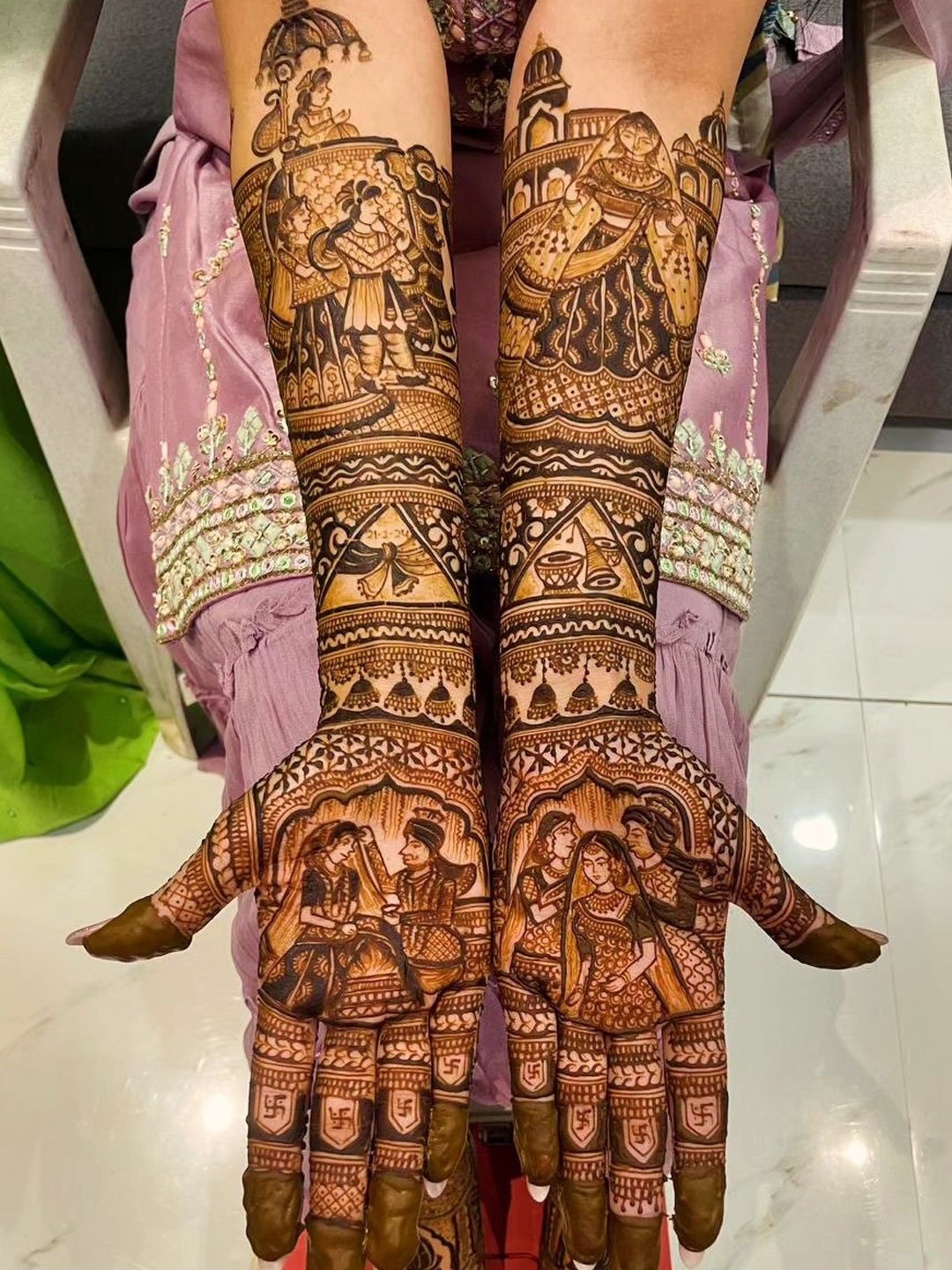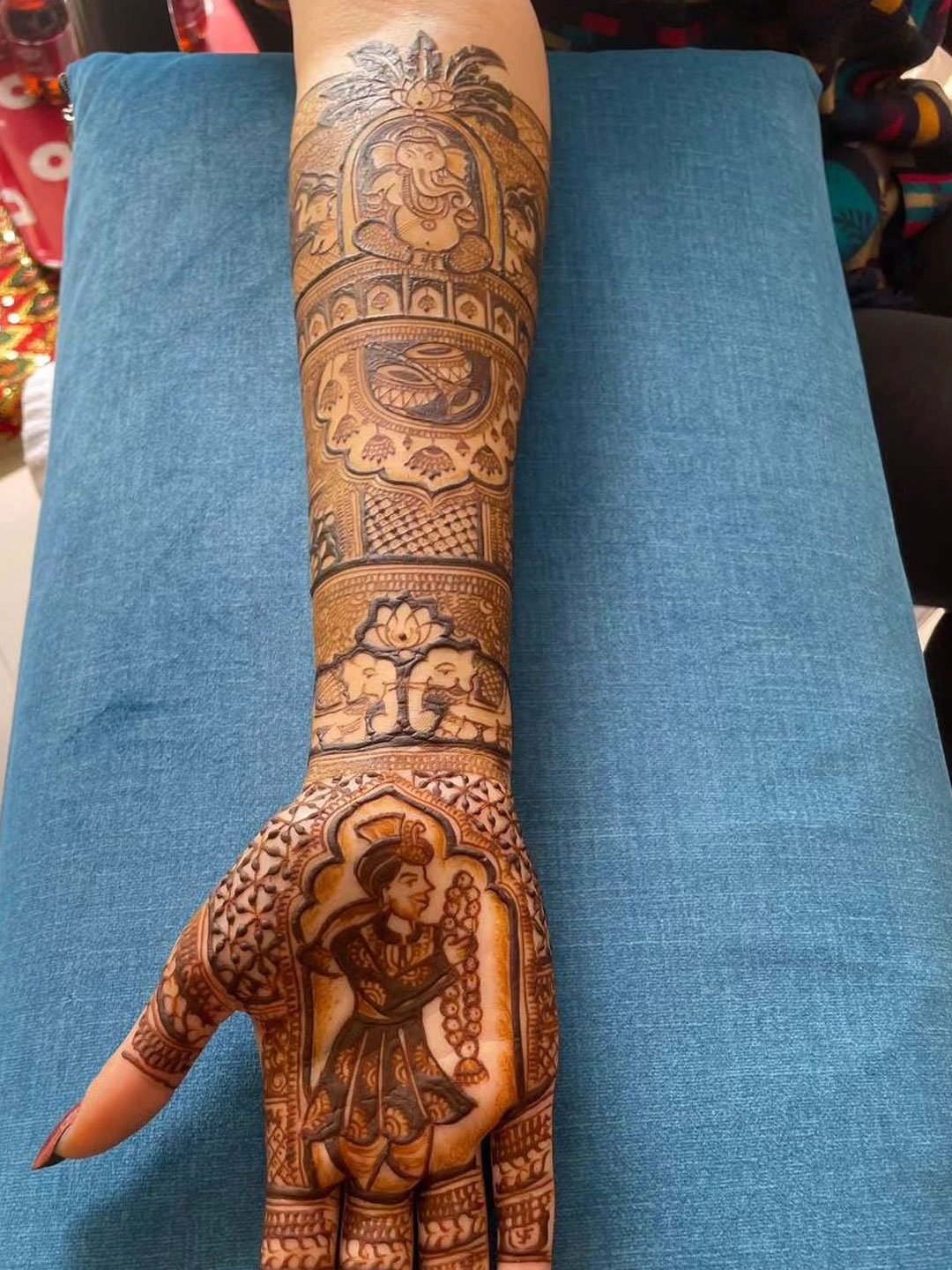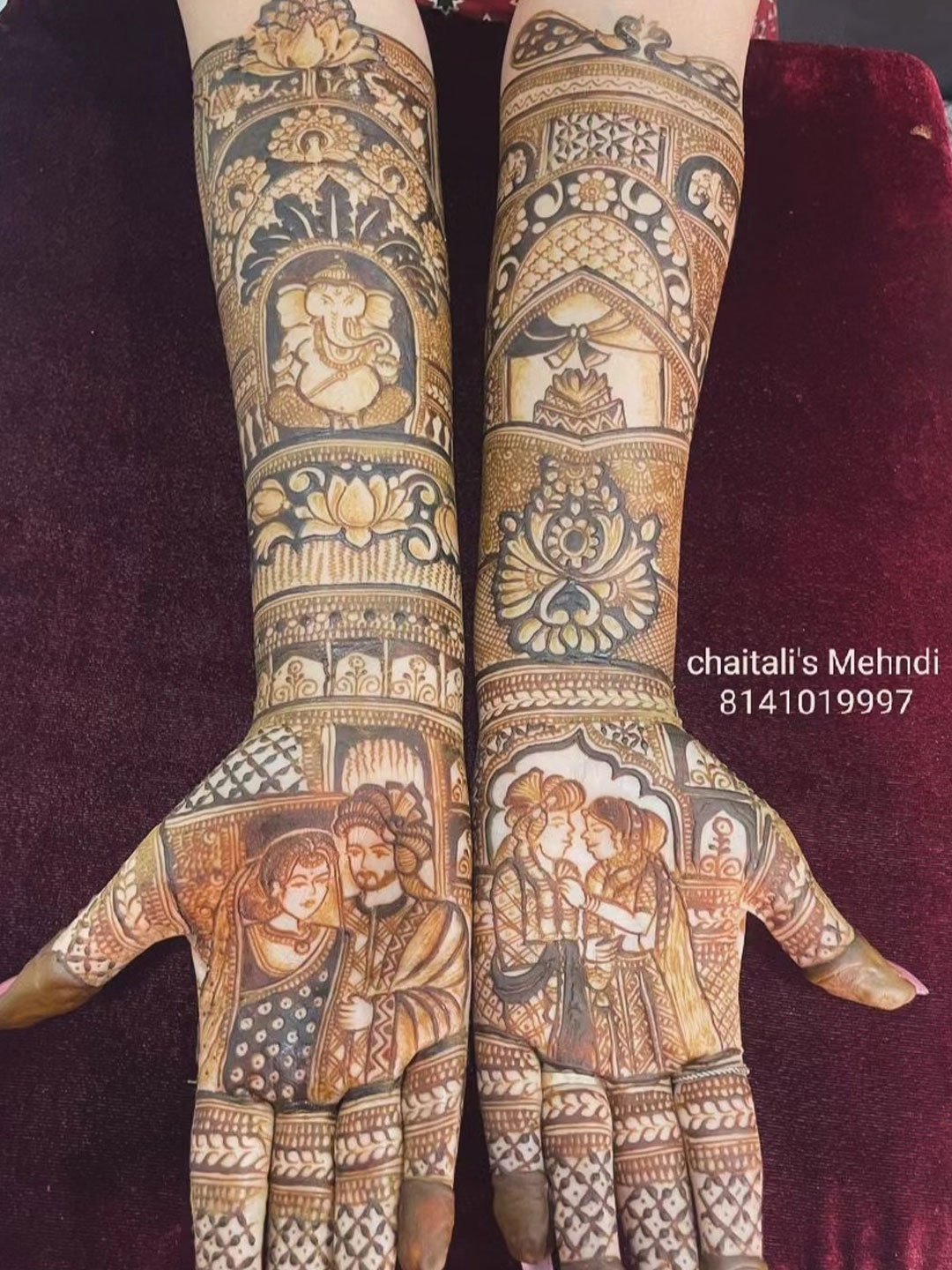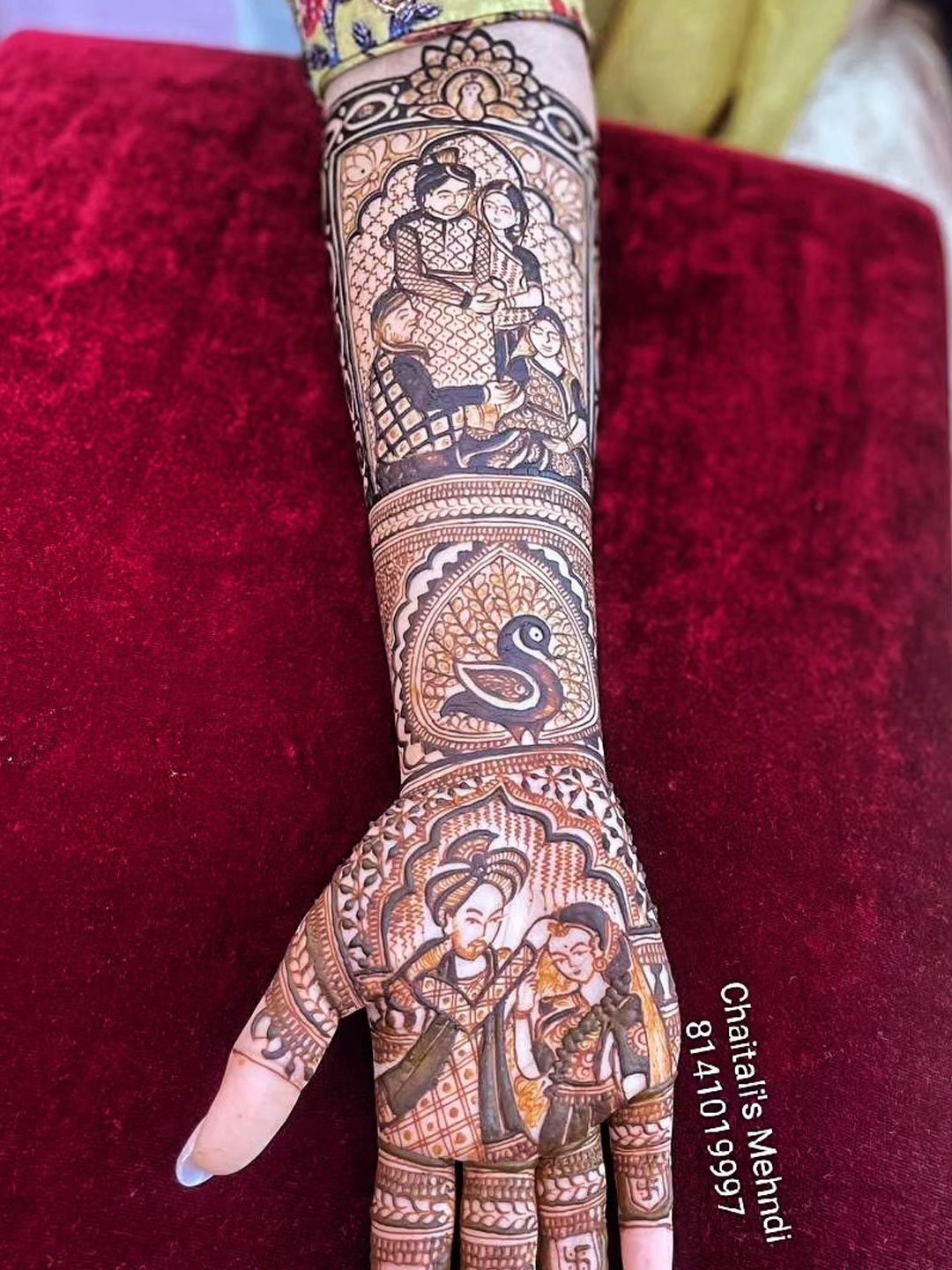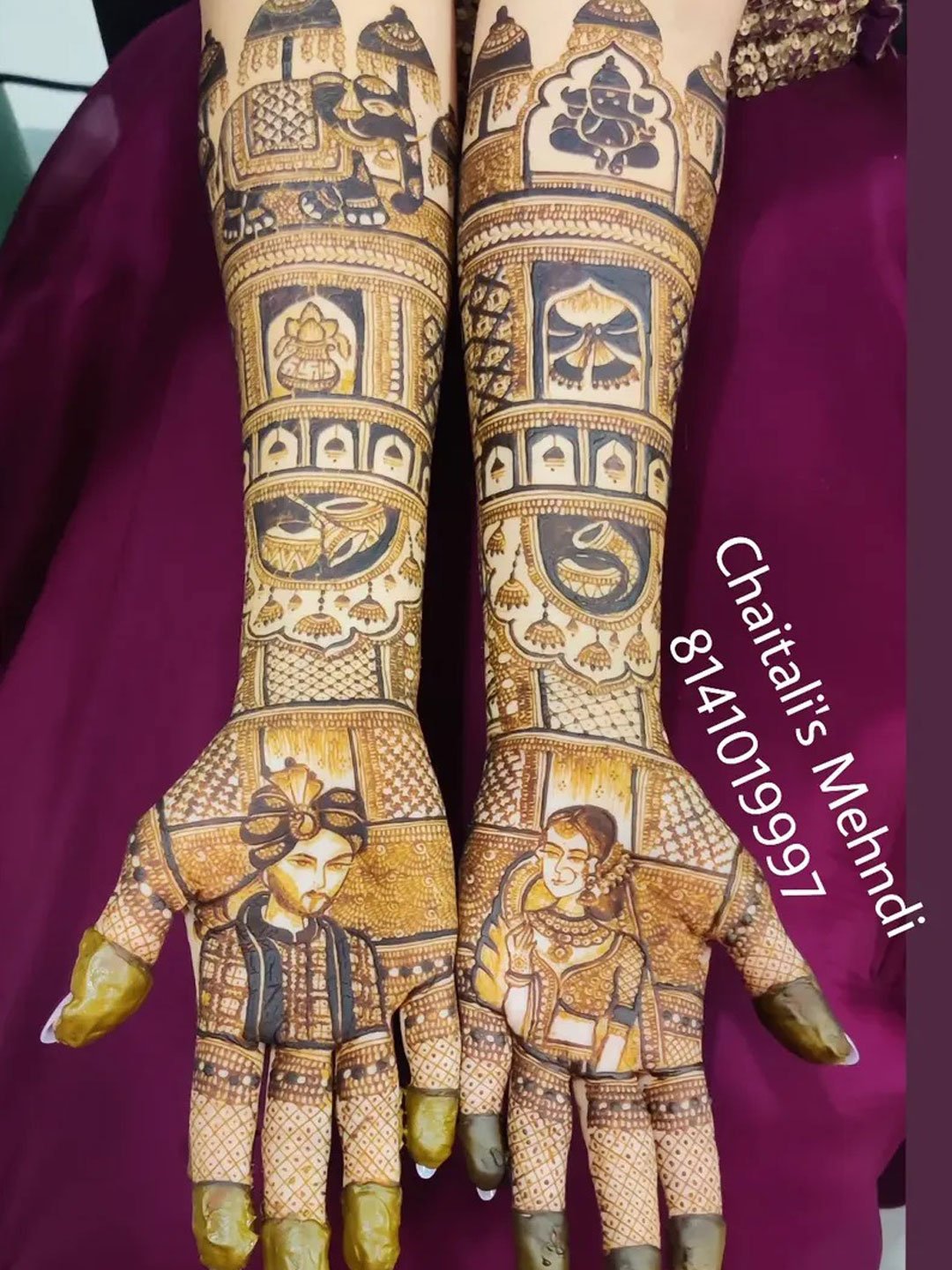
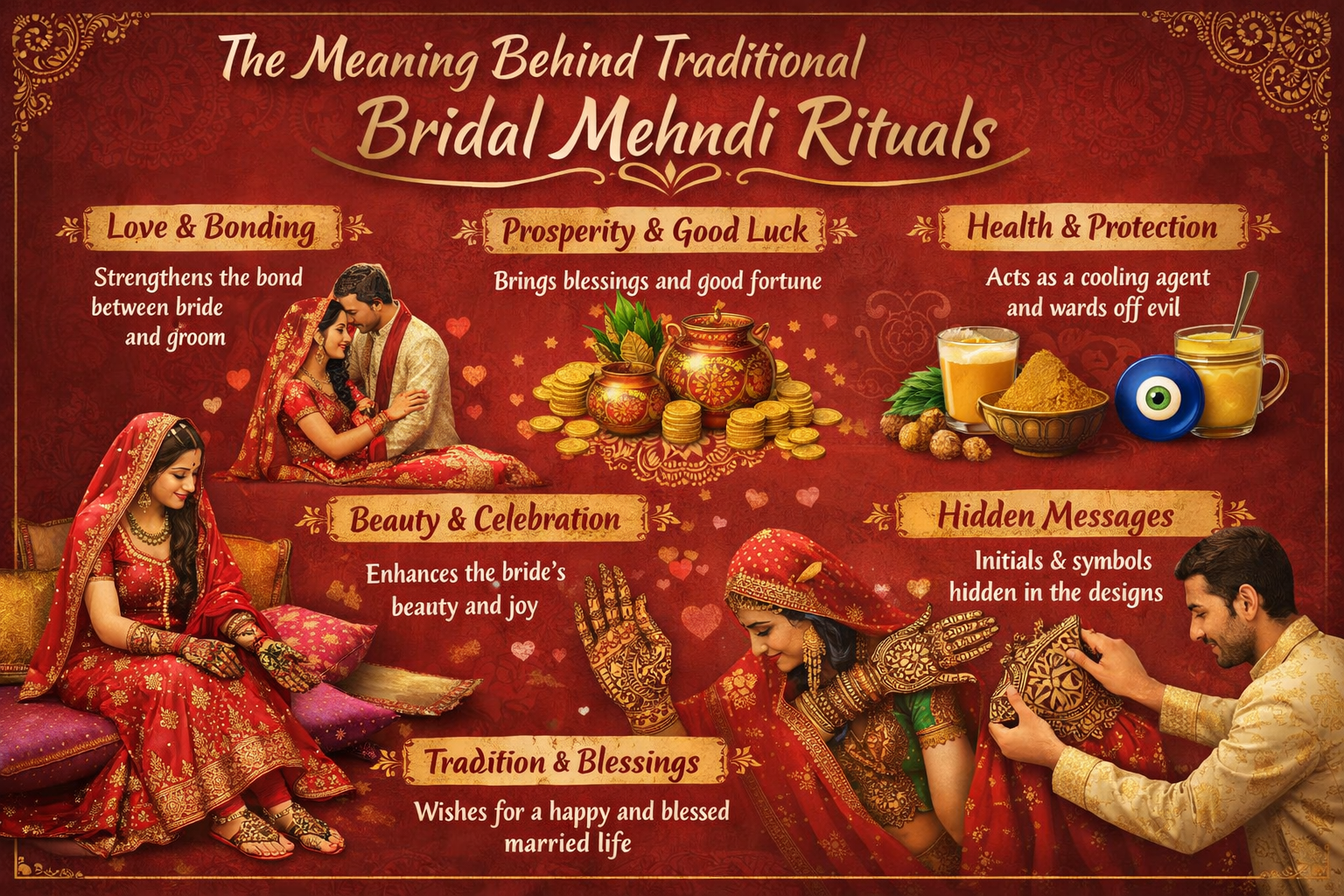
Bridal mehndi isn’t just about the intricate swirls and the stunning dark stain; it’s one of the oldest and most symbolic rituals in a wedding journey. If you’re looking to add depth to your blog post, here is a breakdown of the history, the hidden meanings, and the superstitions that make this tradition so special.
The Soul of the Ceremony: Why Mehndi?
The Mehndi ceremony (or Sangeet-Mehndi) marks the transition of the bride from her family home to her new life. Beyond the beauty, the ritual serves three primary purposes:
1. The “Cooling” Effect (Medicinal Roots)
Wedding planning is stressful! Historically, henna was applied to the bride’s hands and feet because of its natural cooling properties. It helps soothe the nerves, prevents headaches, and keeps the bride calm amidst the chaos of the festivities.
2. A Symbol of Prosperity and Fertility
In many cultures, mehndi represents the growth of a new bond. A rich, dark stain is often seen as a blessing for a fruitful and prosperous marriage.
3. The Bond Between Families
The ceremony is traditionally a “women’s ritual,” creating a space for the women from both the bride’s and groom’s sides to bond, share advice, and celebrate through song and dance before the formal vows.
Hidden Symbols and Superstitions
Every pattern tells a story. Here are the most common myths and symbols found in bridal designs:
| Symbol | Meaning |
| Peacocks | Beauty, grace, and a new beginning. |
| Lotus Flowers | Purity, sensuality, and the awakening of the soul. |
| Water Ripples | Representing the flow of life and human emotions. |
| The Groom’s Name | Hidden within the design; legend says if he can’t find it, the bride will “wear the pants” in the relationship! |
The Darker, The Better: A popular folklore suggests that the darker the mehndi stain, the more the bride will be loved by her mother-in-law (or her husband, depending on who you ask!).
Modern Twists on Tradition
While the roots remain ancient, modern brides are adding personal touches to their rituals:
- White Henna: A trendy alternative for those wanting a lace-like, contemporary look.
- Personalized Elements: Including “Easter eggs” like the couple’s favorite travel spots, pet portraits, or the date they met.
- Sustainable Sourcing: A shift toward organic, chemical-free henna to ensure safety and a deep, natural maroon color.