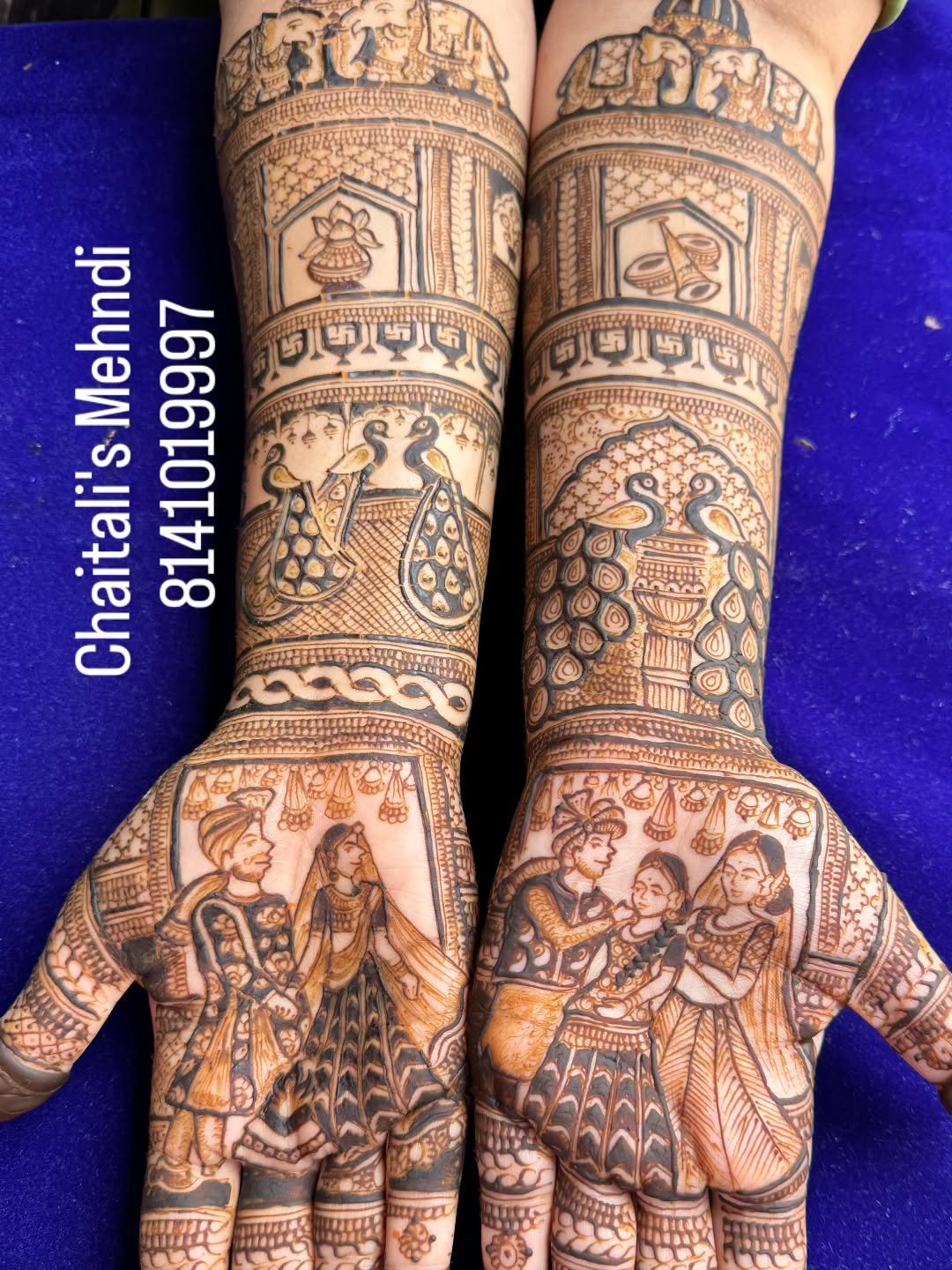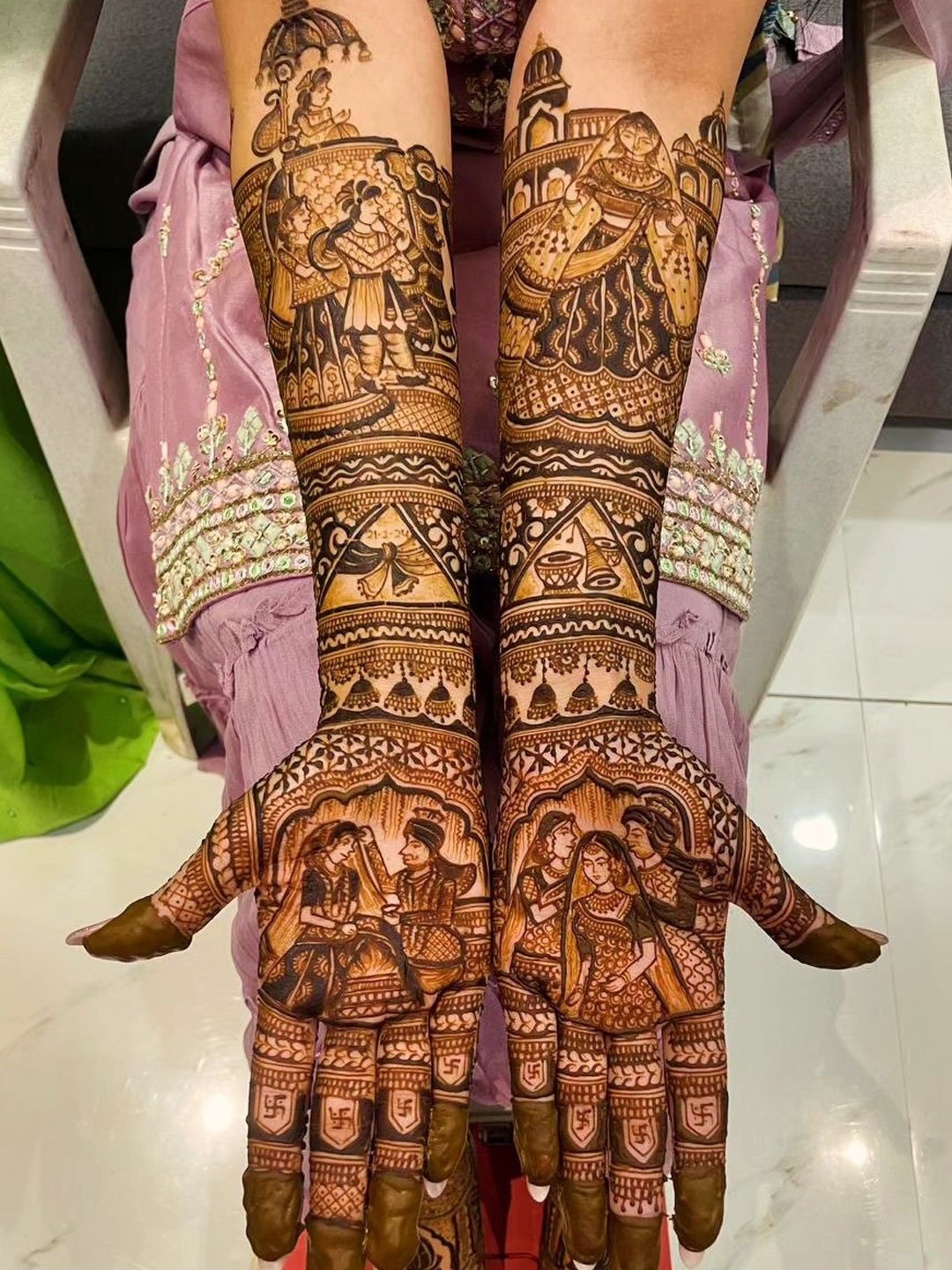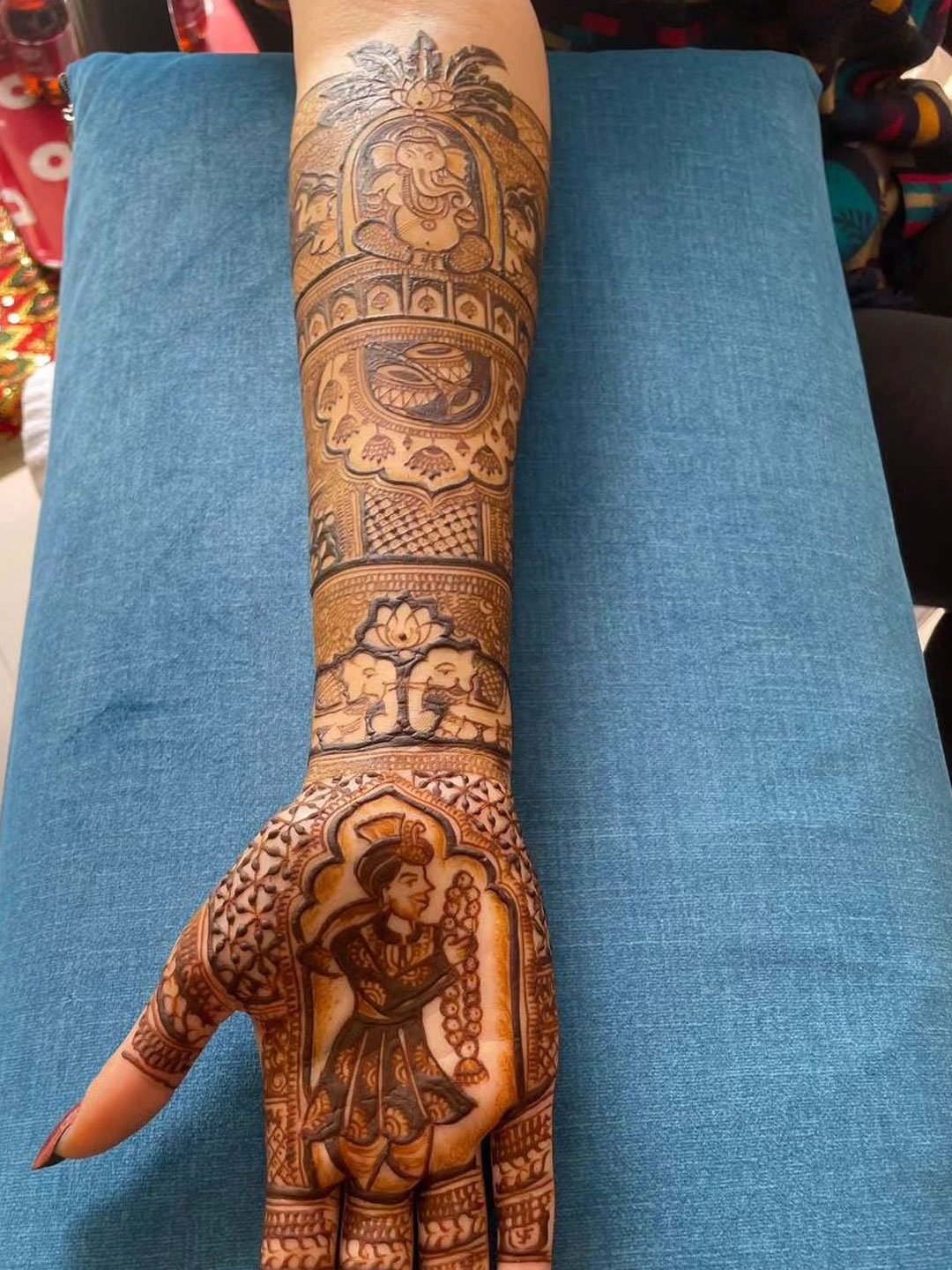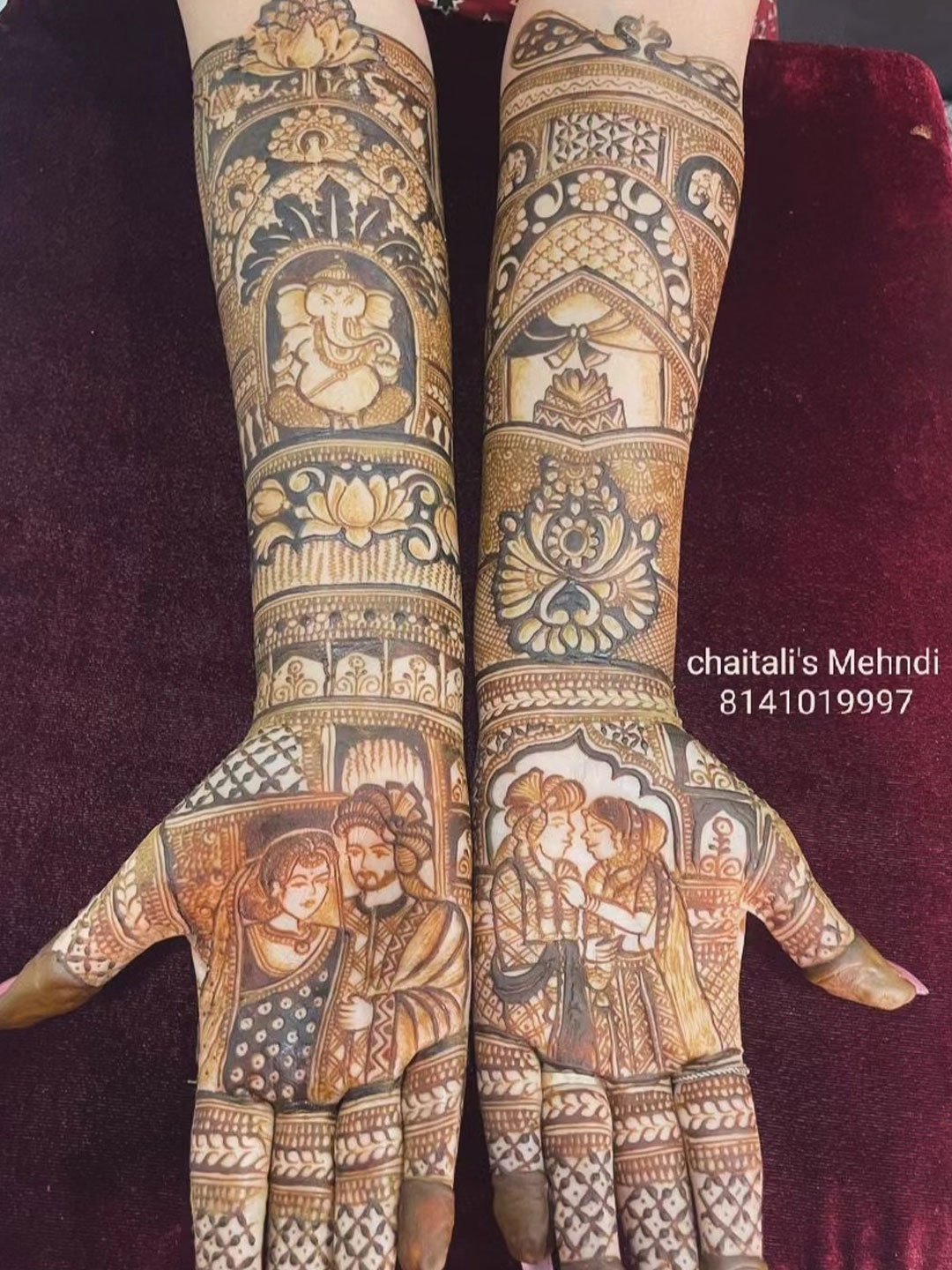
Long before mehndi trends started moving through Instagram and Pinterest boards, Rajasthan was already setting the standard for bridal henna. The state’s mehndi tradition is one of the oldest and most respected in India — dense, storytelling, and built on techniques that have been passed down through generations of artists in Jaipur, Jodhpur, and Udaipur. If you’ve ever seen a bridal hand covered edge to edge in fine linework, with tiny figures, motifs, and patterns that seem to tell an entire story, chances are you were looking at Rajasthani mehndi.
For brides planning their wedding mehndi, Rajasthani patterns offer something a lot of modern styles don’t: heritage, symbolism, and a level of intricacy that photographs beautifully for generations. Whether you want a full Rajasthani bridal look or just want to borrow a few elements into your own design, here’s a complete guide to the patterns worth knowing.
What Makes Rajasthani Mehndi Different
Before getting into individual patterns, it helps to understand what sets the Rajasthani style apart from other regional mehndi traditions in India.
Rajasthani bridal mehndi is known for its density — very little bare skin is left visible once the design is complete. Unlike Arabic mehndi, which uses bold, spaced-out strokes, or contemporary minimalist styles that favour negative space, Rajasthani designs fill the hand almost completely with fine linework, tiny dots, and layered motifs. The patterns often extend well past the wrist, covering the forearm and sometimes the upper arm, and the equivalent is done on the feet and up to the knees.
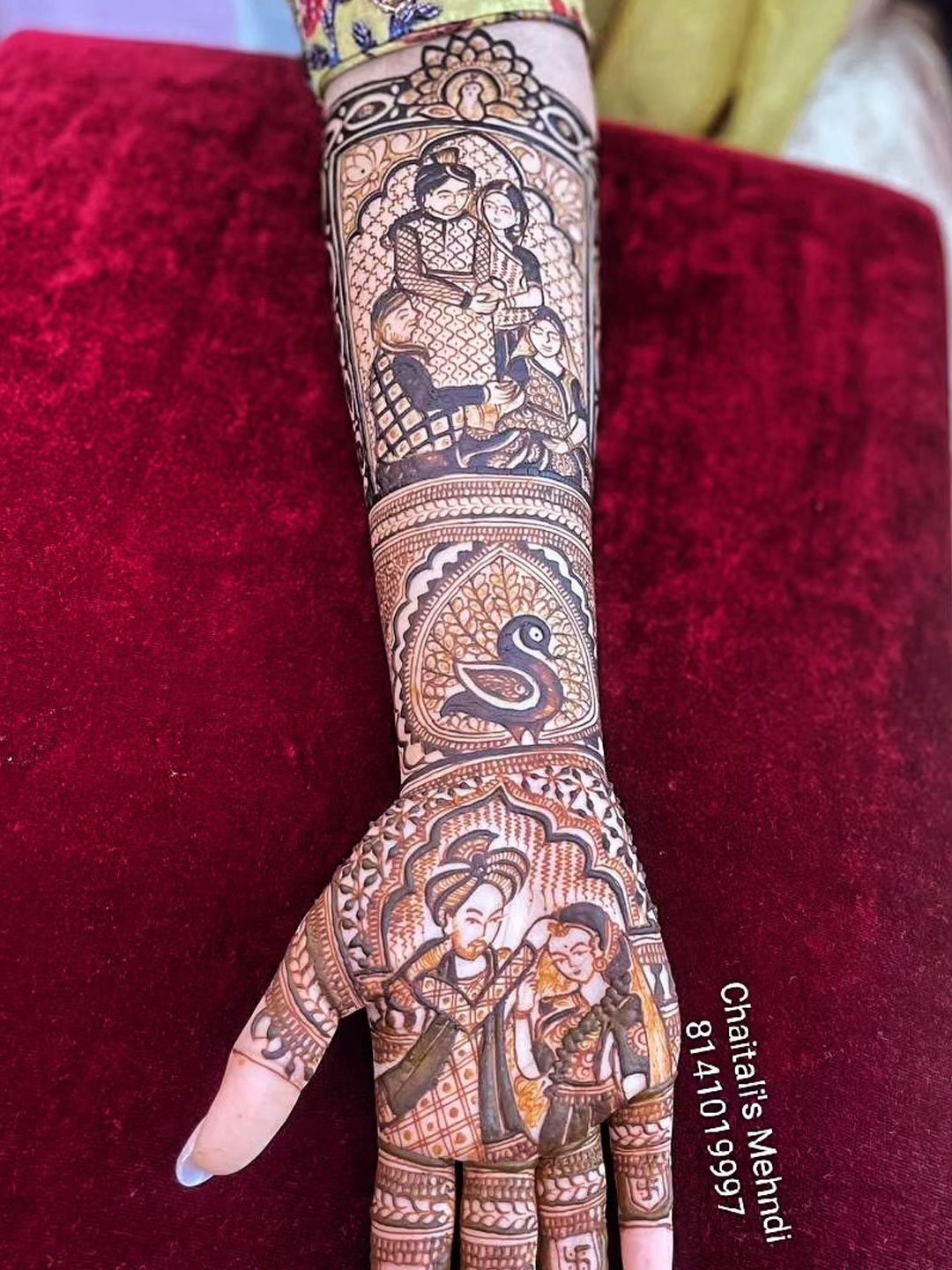
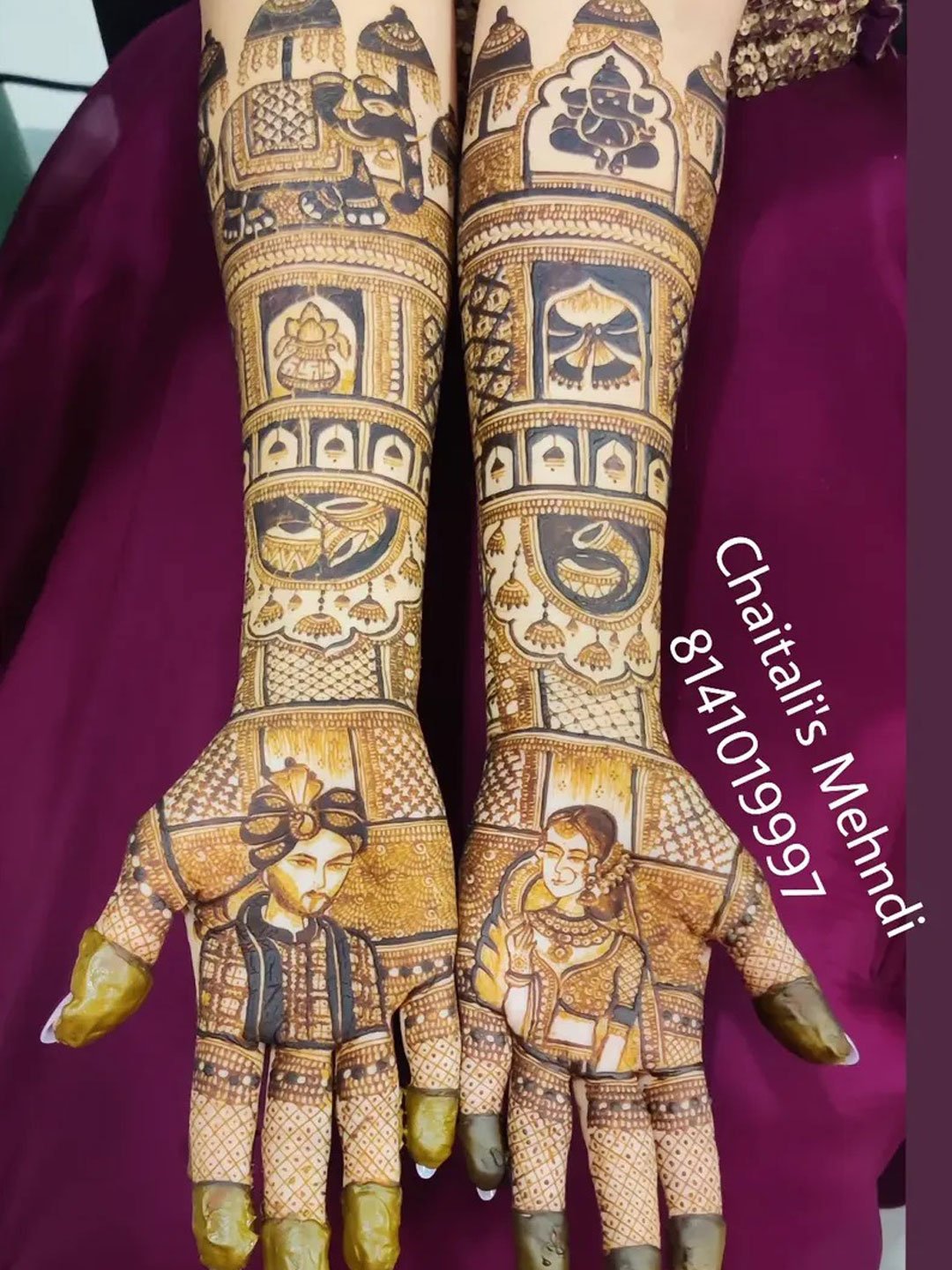
Another defining feature is storytelling. Many traditional Rajasthani bridal designs aren’t purely decorative — they depict scenes: a royal procession, a hunting expedition, a wedding ceremony, or figures of the bride and groom. This is part of what makes the style feel less like a beauty ritual and more like a piece of art with real narrative depth.
Iconic Rajasthani Bridal Mehndi Patterns
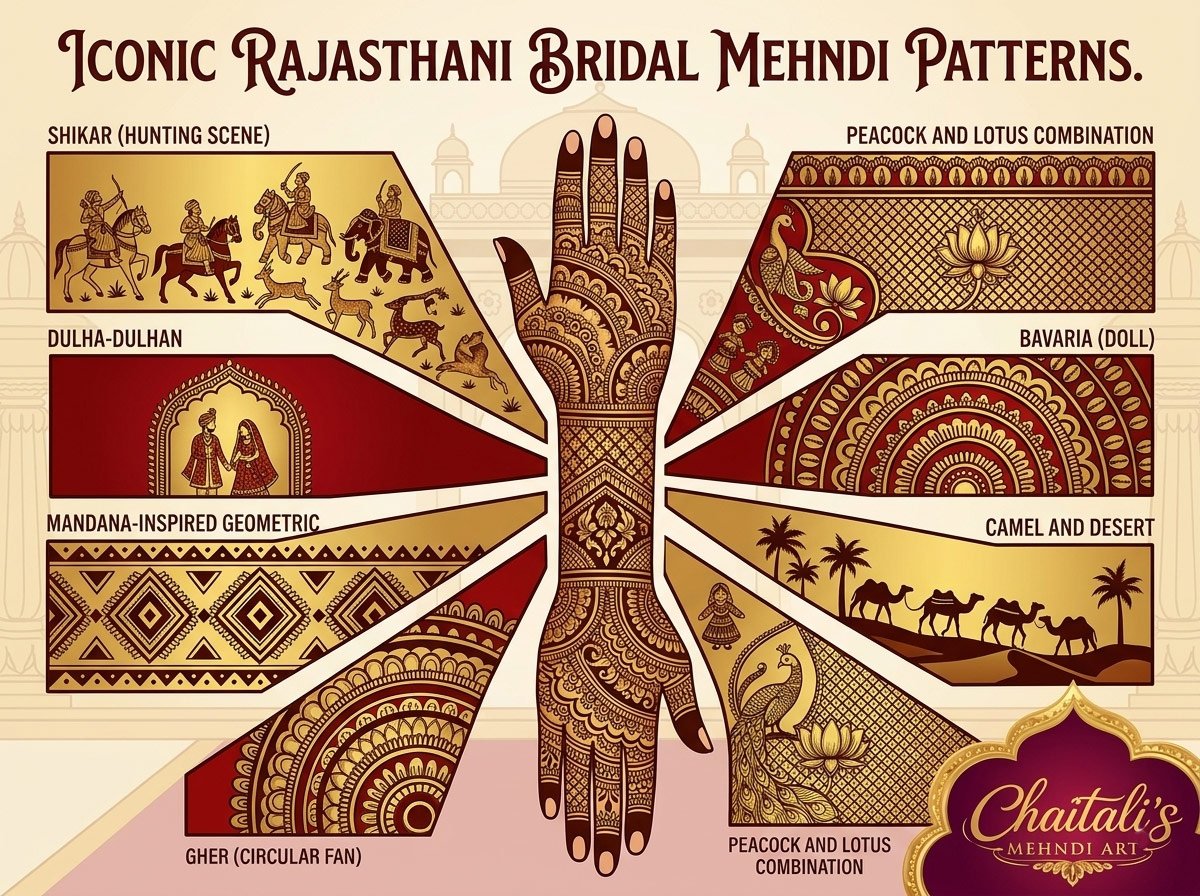
1. Shikar (Hunting Scene) Mehndi
Shikar mehndi is arguably the most recognisable Rajasthani bridal pattern. It depicts a royal hunting scene — hunters on horseback, deer, elephants, and dense forest motifs — usually worked into the centre of the palm and spreading outward. It’s rooted in Rajasthan’s royal history, when hunting expeditions were a mark of nobility, and it remains a favourite among brides who want a design with genuine heritage weight. This style demands real skill from the artist, since every figure needs to be proportionate and clearly defined within a very small space.
2. Dulha-Dulhan (Bride and Groom) Motif
A distinctly Rajasthani tradition, this design hides small figures of the bride and groom somewhere within the palm’s pattern — often inside a decorative arch or surrounded by floral borders. Guests and family members are traditionally invited to find the figures as part of the wedding festivities. It’s a playful custom, but the artwork itself is anything but simple, since the figures have to be woven seamlessly into the surrounding motifs without looking out of place.
3. Mandana-Inspired Geometric Mehndi
Mandana art is a traditional Rajasthani floor and wall decoration technique, made using geometric shapes, dots, and symmetrical patterns to mark auspicious occasions. When adapted for bridal mehndi, Mandana-inspired designs bring in structured triangles, diamonds, and repeating geometric borders that give the hand a distinctly folk-art character — a strong option for brides who want something traditional but visually different from the usual floral-heavy patterns.
4. Gher (Circular Fan) Pattern
Gher patterns radiate outward from a central point on the palm or the back of the hand, similar to an open fan or a blooming flower. The lines fan out in layered arcs, often finished with fine dots and small paisley fillers between each arc. It’s one of the more elegant Rajasthani motifs and works particularly well on the back of the hand or as a centrepiece design on the palm.
5. Kaudi (Cowrie Shell) Border
Cowrie shells hold cultural and auspicious significance in Rajasthan, and the Kaudi border pattern translates that into rows of small shell-shaped motifs lining the wrist, fingers, or ankle. It’s typically used as a finishing border rather than a standalone centrepiece, framing denser patterns like Shikar or Gher designs with a neat, traditional edge.
6. Bavaria (Doll) Motif
Small doll-like figures, often dressed in traditional Rajasthani attire, are worked into the design as a nod to childhood games and folk tradition. This motif is usually placed as an accent within a larger composition rather than as the main focus, adding a personal, storytelling element that distinguishes Rajasthani mehndi from more abstract regional styles.
7. Camel and Desert Motifs
Given Rajasthan’s desert landscape, camel motifs — sometimes paired with palm trees, sand dune patterns, or caravan scenes — appear in more elaborate bridal designs. These motifs are especially popular for destination weddings held in Rajasthan itself, like Udaipur or Jaisalmer, where brides want their mehndi to visually echo the setting of their wedding.
8. Peacock and Lotus Combination
While the peacock motif appears across many Indian regional mehndi styles, the Rajasthani rendering tends to be denser and more layered, often combined with lotus flowers and framed by fine jaali (net) work. The peacock’s tail feathers are typically filled with detailed patterning rather than left as bold outlines, which is a hallmark of the Rajasthani approach to floral and bird motifs.
9. Jaipuri Jaal (Net) Work
Jaipuri Jaal refers to the fine, lattice-like netting used to fill background spaces between larger motifs. Rather than leaving gaps of bare skin, Rajasthani artists use this net pattern to connect and unify the overall composition, which is part of why the finished design looks so cohesive and dense from a distance.
10. Rajasthani Bridal Feet Design with Anklet Motif
Feet mehndi in the Rajasthani tradition is treated with as much detail as the hands. A common bridal pattern mimics the look of a heavy anklet (payal), with fine linework extending from the toes up to the ankle and sometimes the calf. Combined with the intricate hand designs, this creates a complete, head-to-toe bridal mehndi look that’s especially striking in traditional wedding photography.
Colours and Symbolism Behind Rajasthani Mehndi
Rajasthani bridal mehndi isn’t just about the visual pattern — many of its recurring elements carry meaning that’s been part of the region’s wedding customs for generations.
- Elephants and horses represent royalty, strength, and prosperity, often appearing in Shikar and procession-style designs.
- Peacocks symbolise grace, love, and the arrival of the monsoon, considered an auspicious season for new beginnings.
- Lotus motifs represent purity and are commonly placed at the centre of the palm as a focal point.
- Hidden figures, whether the groom’s initials or the Dulha-Dulhan motif, reflect the playful “find the name” tradition that’s part of many Indian weddings, adapted here into a full storytelling composition.
- Dense, unbroken fill work is sometimes said to represent the depth of the bride’s love and the fullness of the life she’s stepping into — a reason many families still insist on the traditionally heavy Rajasthani style rather than a lighter, modern alternative.
How Long Does Rajasthani Bridal Mehndi Take?
Because of the density and detail involved, Rajasthani bridal mehndi is one of the more time-intensive styles to apply. A full bridal look — both hands up to the elbow and feet up to the knee — can take anywhere from 5 to 8 hours, depending on the complexity of the motifs chosen and the artist’s speed. Brides planning a traditional Rajasthani design should build this into their mehndi ceremony schedule well in advance, ideally starting early in the day to allow the paste enough time to dry and the stain to develop fully before the evening functions begin.
If a full traditional design isn’t practical for your timeline, many artists offer a modern adaptation — Rajasthani motifs like Gher, Kaudi borders, or the Dulha-Dulhan figure worked into a smaller, palm-focused composition that keeps the heritage feel without the full time commitment.
Can Rajasthani Mehndi Be Combined with Modern Styles?
Yes, and it’s an increasingly popular choice among brides who love the traditional motifs but want a slightly more contemporary finish. A common approach is to keep the centre of the palm dense with a Shikar or Gher pattern, while leaving more negative space toward the fingers and outer edges of the hand — a fusion that keeps the storytelling detail of Rajasthani work while giving the overall design a lighter, more modern silhouette in photographs. Pairing a traditional palm centrepiece with fine-line floral trailing up the forearm is another popular way to bridge the two styles.
Choosing the Right Rajasthani Pattern for Your Wedding
With so many motifs to choose from, here’s how to narrow it down for your own bridal mehndi:
- Think about how much time you have. A full traditional Shikar design with feet coverage takes considerably longer than a design that uses a few Rajasthani motifs as accents within a simpler composition.
- Consider the story you want told. If you love the idea of hidden figures or a narrative scene, the Dulha-Dulhan motif or a Shikar-style hunting scene will give you that storytelling element. If you’d rather keep things symbolic without literal figures, Gher, Kaudi, or Mandana-inspired geometric patterns are a better fit.
- Match it to your wedding venue. If you’re marrying in Rajasthan itself, camel and desert motifs, or Mandana-style geometrics, tie the design more closely to the location.
- Talk to your artist about paste consistency and cone control. The fine, dense linework that defines Rajasthani mehndi requires a steady hand and a well-prepared paste — this is a style where the artist’s experience makes a visible difference in how crisp the final design looks.
- Plan your bridal look as a whole. Because Rajasthani designs are so detailed, they pair beautifully with traditional jewellery and outfits, but can compete visually with very heavily embellished sleeves. Discuss your outfit with your mehndi artist so the design complements rather than clashes with what you’re wearing.
Frequently Asked Questions
What is the most popular Rajasthani bridal mehndi design? Shikar (hunting scene) mehndi and the Dulha-Dulhan hidden figure motif remain the most requested traditional Rajasthani bridal patterns, largely because of their storytelling element and royal heritage.
Is Rajasthani mehndi the same as Marwari mehndi? The terms are often used interchangeably, since Marwari refers to the Marwar region of Rajasthan where much of this style originated. In practice, most artists use “Rajasthani mehndi” as the umbrella term for the state’s traditional bridal style.
How is Rajasthani mehndi different from Indian bridal mehndi in general? Rajasthani mehndi tends to be denser and more narrative-driven than mehndi from other Indian regions, with a stronger focus on figures, royal motifs, and fine background jaal work rather than purely floral compositions.
Can I get a Rajasthani design if I’m not from Rajasthan? Absolutely. Many brides across India choose Rajasthani motifs specifically for their heritage look and intricate detailing, regardless of their own regional background. It comes down to personal preference and how much time you can allocate for the application.
Does Rajasthani mehndi give a darker stain? The stain depth depends more on paste quality, skin type, and aftercare than the design style itself. That said, the dense fill work typical of Rajasthani patterns often makes the overall hand look darker and richer once the design has fully developed, simply because more surface area is covered.
Final Thoughts
Rajasthani bridal mehndi isn’t just a design choice — it’s a living tradition, carried forward through motifs that have decorated brides’ hands for centuries. Whether you choose a full Shikar-style composition, a playful Dulha-Dulhan hidden motif, or a modern fusion that borrows just a few Rajasthani elements, these patterns bring a depth and storytelling quality that’s hard to replicate with any other style.
If you’re planning your wedding mehndi and want a design rooted in genuine Rajasthani technique, Chaitali’s Mehndi Art offers personalised bridal mehndi consultations, portrait mehndi, and engagement mehndi services across Ahmedabad. Get in touch to start planning a design that’s as detailed and personal as your story.