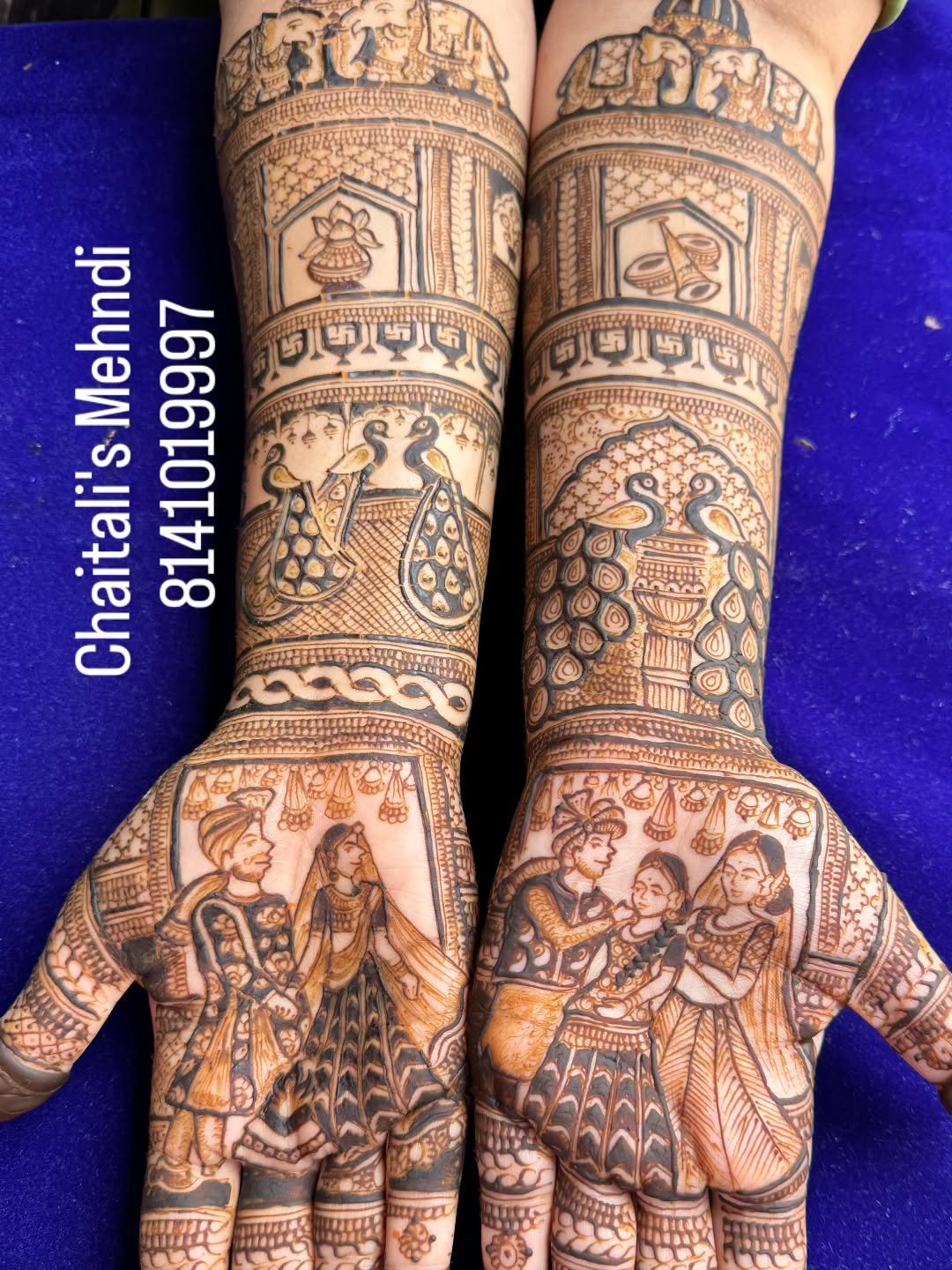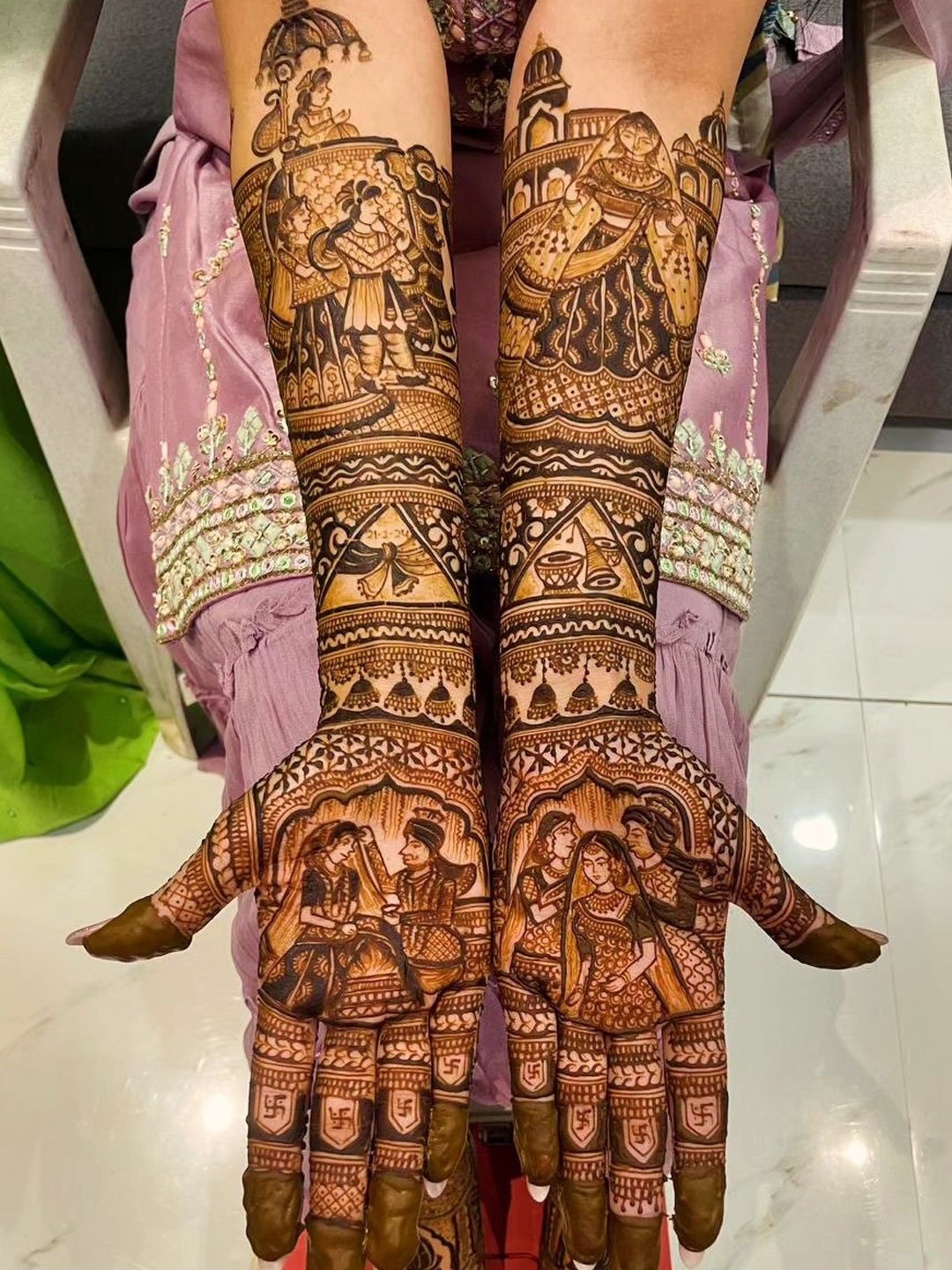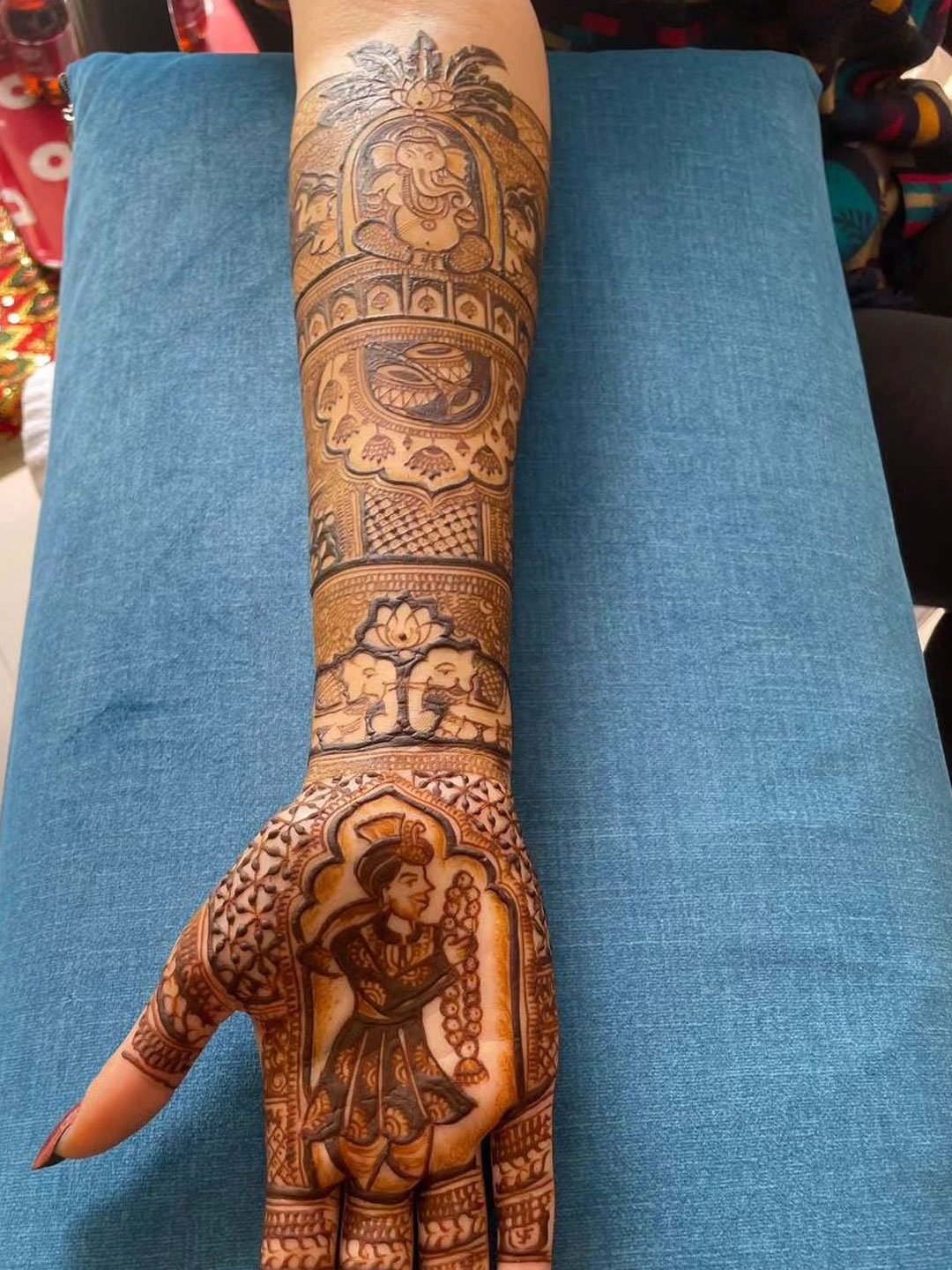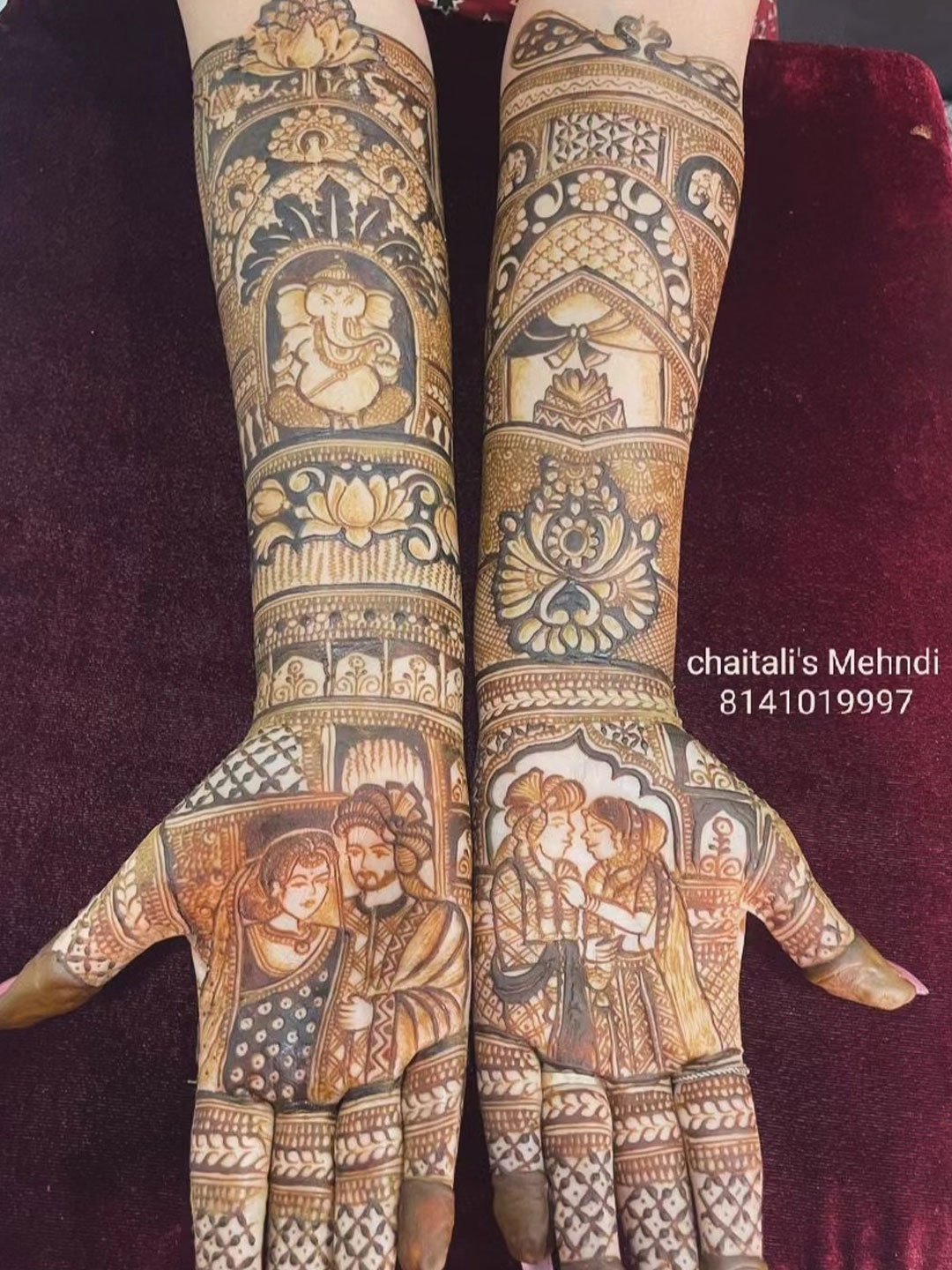
Not every bride dreams of a hand covered edge to edge in intricate detail. For a growing number of brides, the appeal of mehndi lies somewhere else entirely — in restraint, in the quiet elegance of a few well-placed lines, in a design that complements rather than competes with the rest of the bridal look. If that sounds like you, minimalist bridal mehndi is worth a serious look.
This isn’t about doing “less” mehndi in a way that feels like a compromise. Done well, minimalist bridal mehndi is its own distinct art form — one that depends even more on precision, since every line has to earn its place with no dense fill work to hide behind. Here’s a complete guide to the style, the patterns worth considering, and how to plan for it as a bride.
Why Minimalist Mehndi Appeals to So Many Brides
There are a few genuine, practical reasons minimalist bridal mehndi has grown from a niche preference into a mainstream bridal choice.
For one, it simply suits certain outfits better. A heavily embellished lehenga or a modern gown with structured sleeves can start to feel visually busy alongside a dense, full-coverage mehndi design. A lighter pattern lets the outfit, jewellery, and mehndi each have their own space rather than competing for attention.
There’s also the practical matter of time. A minimalist design takes considerably less time to apply than a full-hand traditional pattern, which matters for brides juggling a packed pre-wedding schedule, or those having a smaller, more intimate wedding where hours-long mehndi sessions don’t quite fit the occasion.
And for many brides, it’s simply a matter of personal taste. Some brides have always preferred understated jewellery, clean lines, and quieter aesthetics generally — and it makes sense that this preference extends to their mehndi choice as well. Minimalist mehndi lets that personal style come through clearly, rather than defaulting to a traditional density that might not actually reflect the bride’s usual taste.
What Makes Minimalist Mehndi Different From Other Light Styles
It’s worth distinguishing true minimalist mehndi from styles that are sometimes lumped in with it. Fine-line florals and Indo-Western fusion designs, for instance, often use negative space too, but they still tend to include multiple motifs, layered detailing, or asymmetric compositions across a good portion of the hand.
Minimalist bridal mehndi, by contrast, is defined by genuine restraint — a single motif, a narrow band, or a small cluster of design elements, with the vast majority of the hand left completely bare. The goal isn’t just “lighter than traditional,” it’s intentionally sparse, almost editorial in how little it uses to make an impact. Think of the difference between a delicate necklace with several small charms versus a single fine chain with one pendant — both are elegant, but only one is truly minimal.
Minimalist Bridal Mehndi Designs to Consider
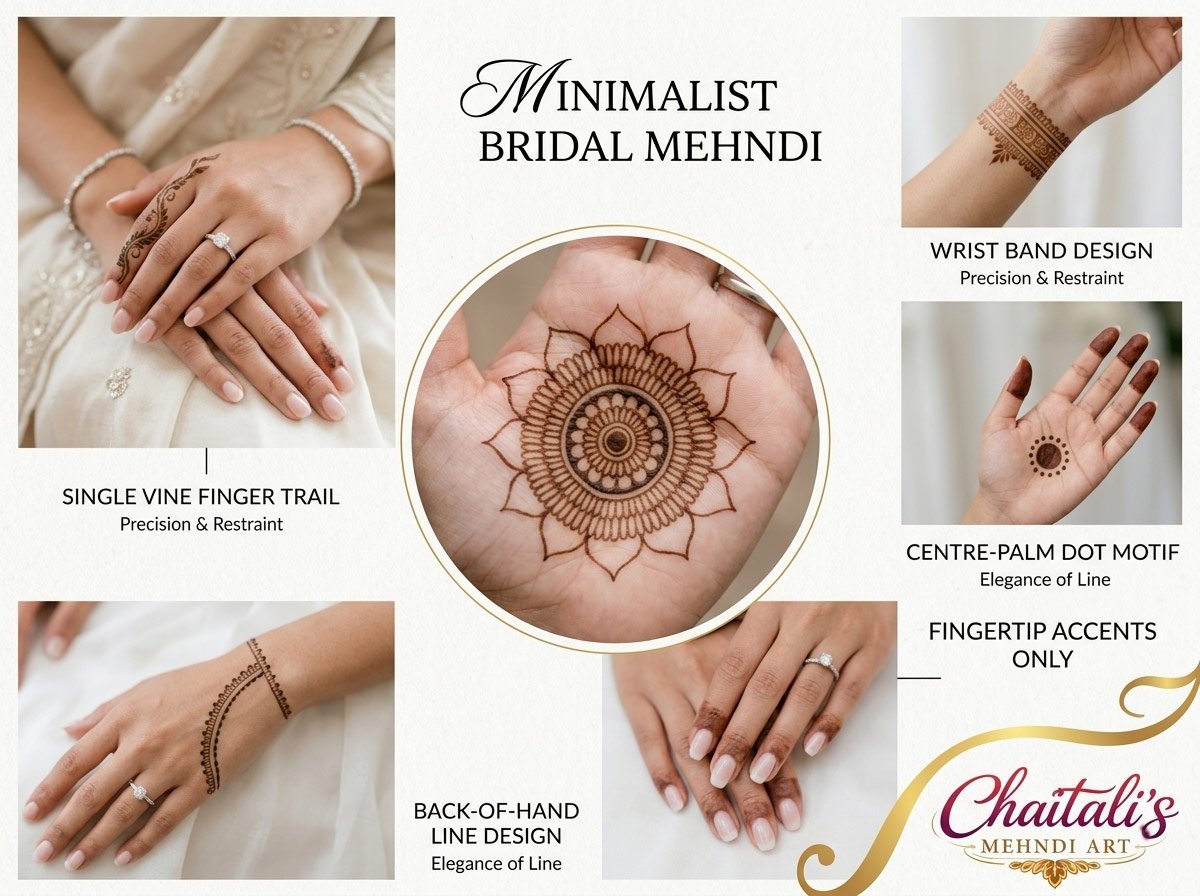
1. Single Vine Finger Trail
A slender vine motif that winds around just one or two fingers, leaving the rest of the hand completely bare. This is about as pared-back as bridal mehndi gets while still reading clearly as a deliberate design rather than an afterthought.
2. Wrist Band Design
A narrow, detailed band circling the wrist, similar in spirit to a bracelet, with nothing extending onto the palm or fingers at all. It’s an easy design to plan around any outfit, since it stays contained to one small, predictable area of the hand.
3. Centre-Palm Dot Motif
A small, precise cluster of dots and fine lines placed at the centre of the palm — sometimes shaped into a tiny mandala, sometimes left as a looser floral suggestion. The bare palm surrounding it does most of the visual work, letting the small centrepiece stand out clearly.
4. Fingertip Accents Only
Rather than any design running across the hand, this style places small motifs — a dot, a tiny flower, a fine geometric shape — at just the fingertips. It’s a subtle, almost jewellery-like approach that works particularly well for brides who still want mehndi on their wedding day but genuinely prefer as little coverage as possible.
5. Single Outline Mandala
Instead of a filled or shaded mandala, this design uses only a fine outline — no dot-work, no shading, just a clean geometric shape at the centre of the palm. It captures the traditional mandala motif’s symbolism without any of the density typically associated with it.
6. Back-of-Hand Line Design
A simple, structured line or geometric shape placed on the back of the hand, with the palm left entirely bare. Since the back of the hand is often the most visible angle in ring shots and candid photography, this placement gets disproportionate visual payoff for a genuinely small design.
7. Delicate Anklet-Style Feet Design
For brides who want the same minimalist approach carried down to their feet, a fine line circling the ankle — echoing the shape of a delicate anklet — offers a matching, understated counterpart to a minimal hand design.
8. Hidden Initial, Kept Small
The traditional “hidden name” custom, scaled right down — a small initial or symbol tucked into an otherwise bare palm, with no surrounding motif to camouflage it. It keeps the sentimental tradition alive without adding any visual weight to the design.
9. Single Bracelet Line with Charm
A fine line circling the wrist like a bracelet, with one small charm-like motif — a flower, a moon, a teardrop shape — hanging from it toward the palm. This gives a minimalist wrist design a small focal point without straying from the overall restrained aesthetic.
10. Sparse Scatter Dots
A handful of small dots scattered lightly across the back of the hand and fingers, with no connecting lines or motifs at all. It’s one of the lightest possible bridal mehndi options, offering a subtle textural effect rather than a defined pattern.
Pairing Minimalist Mehndi With Your Bridal Look
Minimalist mehndi works especially well when it’s planned alongside the rest of your bridal styling rather than as an afterthought. A few pairings worth considering:
- With statement jewellery: If you’re wearing bold rings, bangles, or bracelets, a minimal mehndi design lets the jewellery take centre stage rather than competing with a busy hand pattern underneath.
- With a fitted or sleeved outfit: Outfits with fitted sleeves or gloves naturally hide most of a full-arm design anyway, so a wrist-only or fingertip design makes practical sense alongside them.
- With a destination or intimate wedding: Smaller, more relaxed wedding settings often suit a lighter overall bridal look, and minimalist mehndi fits that tone more naturally than an elaborate traditional design.
- With multiple outfit changes: Since minimalist designs are less visually dominant, they tend to work across several different outfits through the day without needing to “match” any one look specifically.
How Long Does Minimalist Mehndi Take?
One of the clearest practical advantages of minimalist bridal mehndi is speed. Depending on the specific design, most minimalist patterns take between 30 minutes and 90 minutes to apply, compared to several hours for a full-hand traditional design. This makes it a genuinely convenient option for brides with packed wedding-day schedules, or for pre-wedding functions where a lengthy mehndi session simply isn’t practical.
That said, speed shouldn’t be mistaken for simplicity when it comes to skill. Because minimalist designs have so little room to hide an uneven line or a slightly off-centre motif, they actually demand a very steady, precise hand from the artist — arguably more precision per line than a dense design where small imperfections blend into the overall detail.
Does Minimalist Mehndi Stain as Well as Traditional Designs?
This is one of the most common questions brides ask, and the honest answer is that stain depth depends on paste quality, skin type, and aftercare far more than it depends on design size. A well-prepared paste left on for the recommended time will stain just as richly whether it’s covering a full hand or a single finger. The one real difference is visual: because a minimalist design covers less surface area, the overall hand won’t look as uniformly dark as a full-coverage design — but the actual color of the applied areas can be just as deep.
To get the best result from a minimalist design, the same aftercare rules still apply: leave the paste on as long as possible (ideally several hours), avoid water contact for as long as you can afterward, and keep the area away from soap or heavy friction in the first 24 hours.
Tips for Planning Your Minimalist Bridal Mehndi
- Decide on placement before density. With minimalist mehndi, where the design sits matters more than how much of it there is. Think through wrist, fingertip, or back-of-hand placement based on what your outfit and photography will actually show.
- Bring clear reference images. Minimalist designs leave little room for interpretation once the artist starts, so having a specific reference — even a rough sketch — helps avoid miscommunication about scale and placement.
- Don’t skip aftercare just because coverage is light. The temptation to wash hands sooner is real when there’s less design to protect, but the same paste-on-time and water-avoidance rules still apply for a good stain.
- Consider a slightly heavier design on one hand. Some brides split the difference — one hand minimal, the other with a bit more traditional detailing — for a balance between the two aesthetics.
- Talk to your artist about line weight. Since minimalist designs rely on very few lines, the thickness and confidence of those lines matter enormously. Ask to see examples of an artist’s fine-line work specifically before booking.
Frequently Asked Questions
Is minimalist bridal mehndi considered less traditional? Not necessarily. Minimalist designs still use traditional motifs like mandalas, paisleys, and vines — they’re just applied with far less density and more bare skin left visible.
How much does minimalist mehndi typically cost compared to a full-hand design? Pricing usually reflects time and detail, so a minimalist design generally costs less than a full-hand bridal design simply because it takes considerably less time to apply.
Can minimalist mehndi still include a hidden name or initial? Yes. A hidden initial or small symbol can absolutely be worked into a minimalist design — it’s simply kept smaller and less camouflaged than it would be within a denser traditional pattern.
Will a minimalist design look too plain in wedding photographs? Not if it’s placed thoughtfully. Minimalist mehndi tends to photograph very clearly in close-up shots precisely because there’s less visual clutter, which often makes the design more distinct in photos rather than less noticeable.
Can I get a minimalist design for my hands but a fuller design on my feet, or vice versa? Yes, this is a common approach. Many brides choose a lighter hand design paired with a slightly more detailed feet design, since the feet are often less visible throughout the day and can carry a bit more coverage without affecting overall photography or comfort.
Final Thoughts
Minimalist bridal mehndi proves that a design doesn’t need density to make an impression — sometimes a single confident line does more than an entire hand of dense fill work. For brides who want their mehndi to feel like a natural extension of a quieter, more understated bridal style, this approach offers real elegance without ever feeling like a compromise.
If you’re planning your wedding and want a minimalist design created around your outfit, jewellery, and personal style, Chaitali’s Mehndi Art offers personalised bridal mehndi consultations, engagement mehndi, and portrait mehndi services across Ahmedabad. Get in touch to start planning a design that’s understated, elegant, and entirely your own.