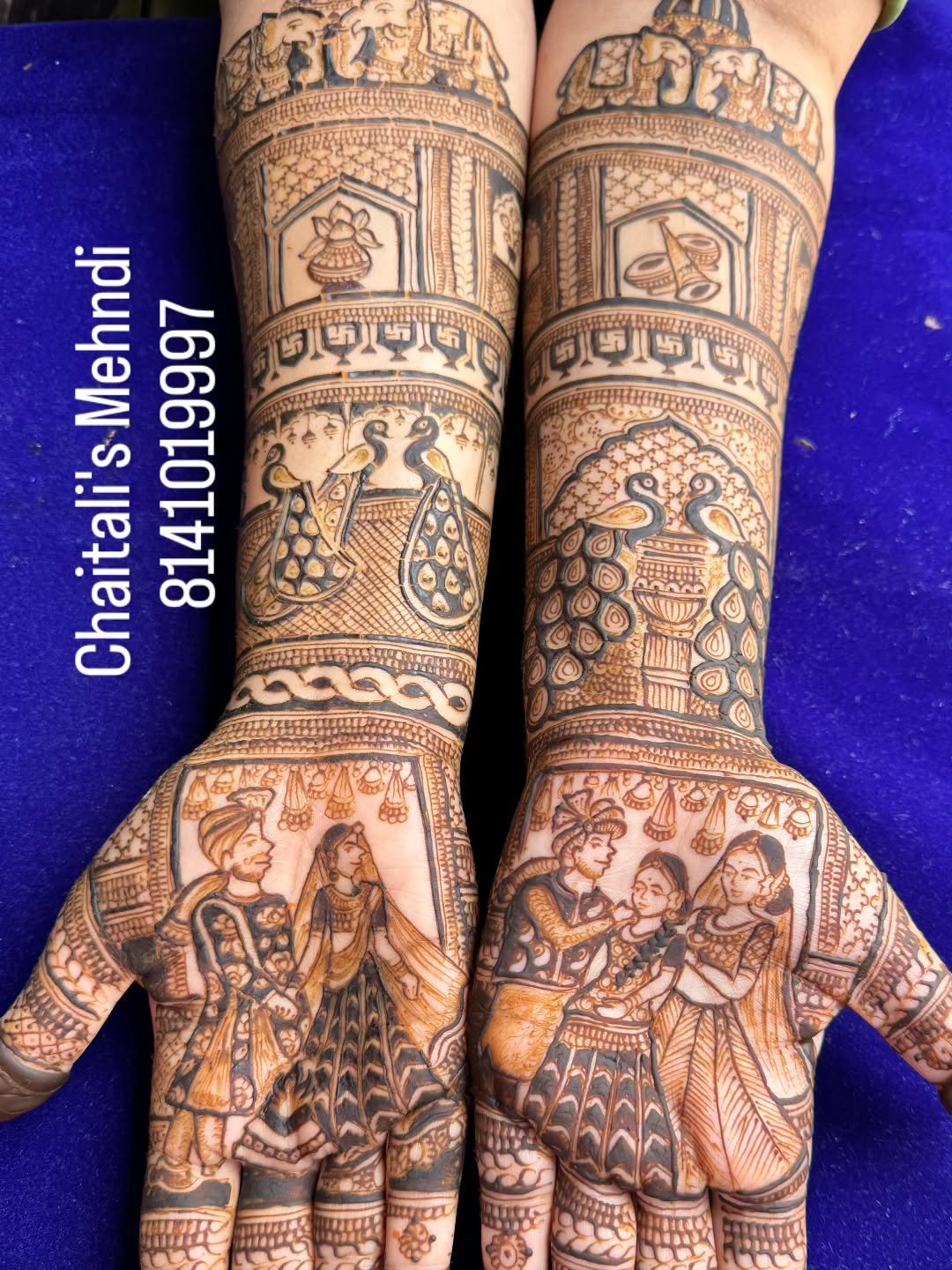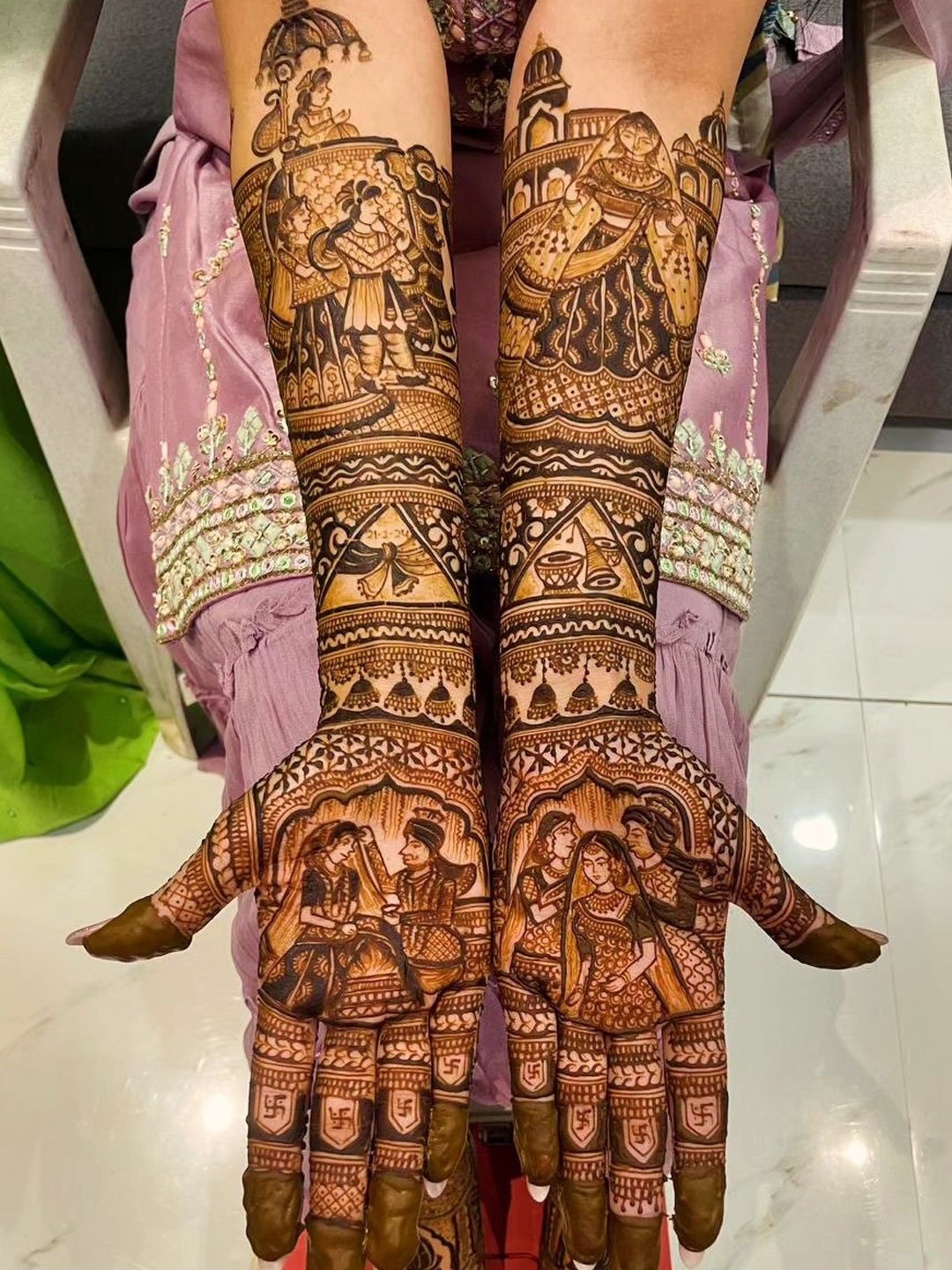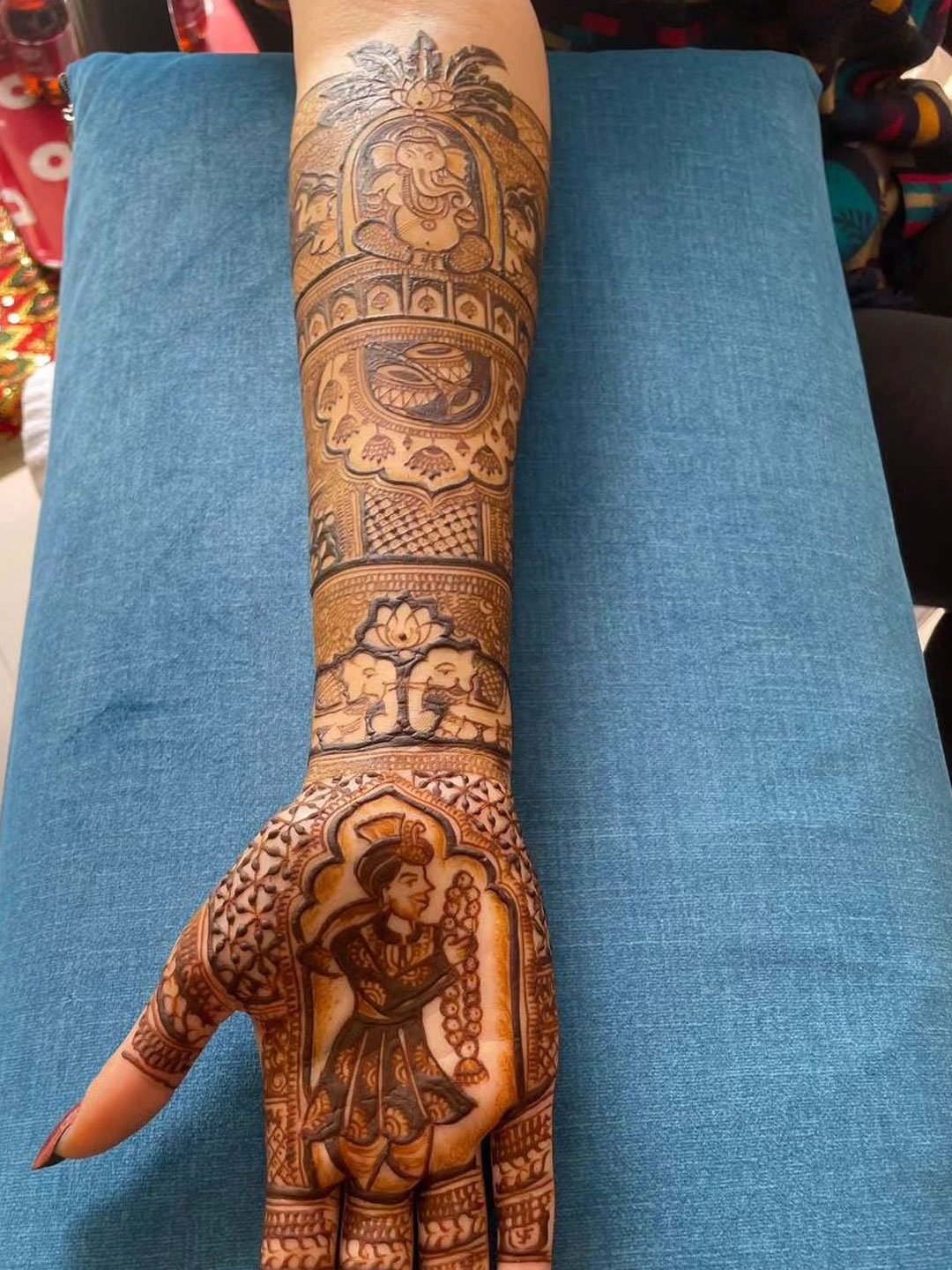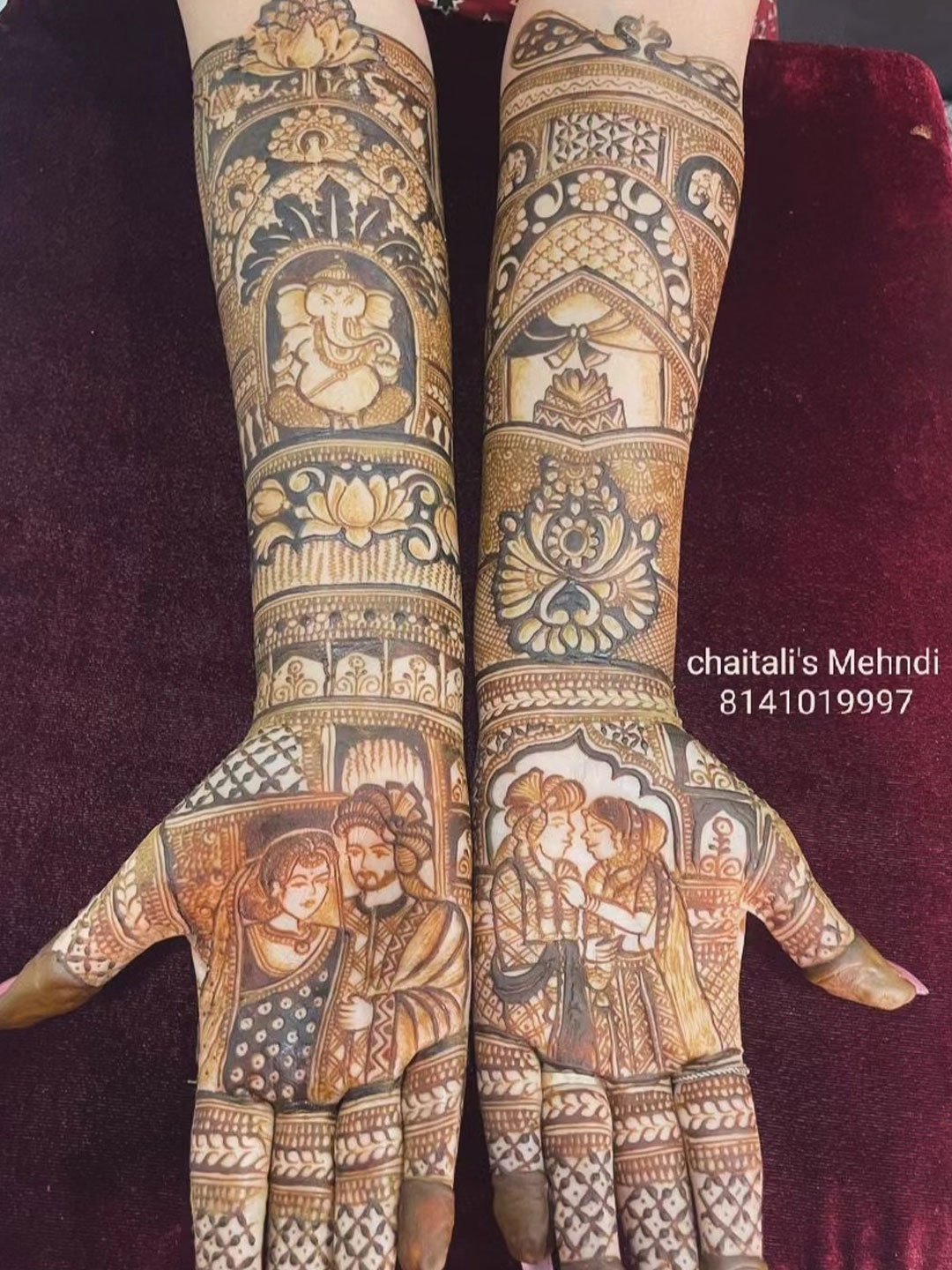
Ask ten brides what “bridal mehndi” means to them, and most will picture the palm first — dense, intricate, filling every inch of skin. It’s the traditional starting point, the side of the hand mehndi has always been most associated with. But increasingly, brides are asking a more specific question during their design consultations: should the front of the hand or the back of the hand carry the bulk of the detail?
It’s not a question with one right answer. Both sides of the hand serve a different purpose in how a design looks, feels, and photographs, and understanding the difference makes it a lot easier to plan a bridal mehndi that actually matches your priorities. This guide breaks down how front-hand and back-hand mehndi differ, what each does best, and how to decide which one deserves the bulk of your design’s attention.
The Core Difference: Visibility vs Tradition
The simplest way to think about the front-hand versus back-hand question is this: the palm is where tradition lives, and the back of the hand is where the camera looks.
Palm-centred mehndi is the classic bridal approach — dense, symmetrical, often built around a centrepiece like a mandala or floral medallion, with detailing extending outward to the fingers and wrist. It’s the side most rituals are built around, since palms are traditionally shown, compared, and admired during ceremonies and family gatherings.
The back of the hand, meanwhile, has become the side that shows up in nearly every photograph from the wedding. Ring shots, hand-clasping moments during the vows, candid shots of jewellery and mehndi together — almost all of it captures the back of the hand, since the palm tends to face inward or stay out of frame during these moments.
Neither side is inherently “better.” The real question is what you’re prioritising — the traditional, ceremonial experience of a densely filled palm, or a design built with the photographs you’ll look back on for years in mind.
What Front-Hand (Palm) Mehndi Does Best
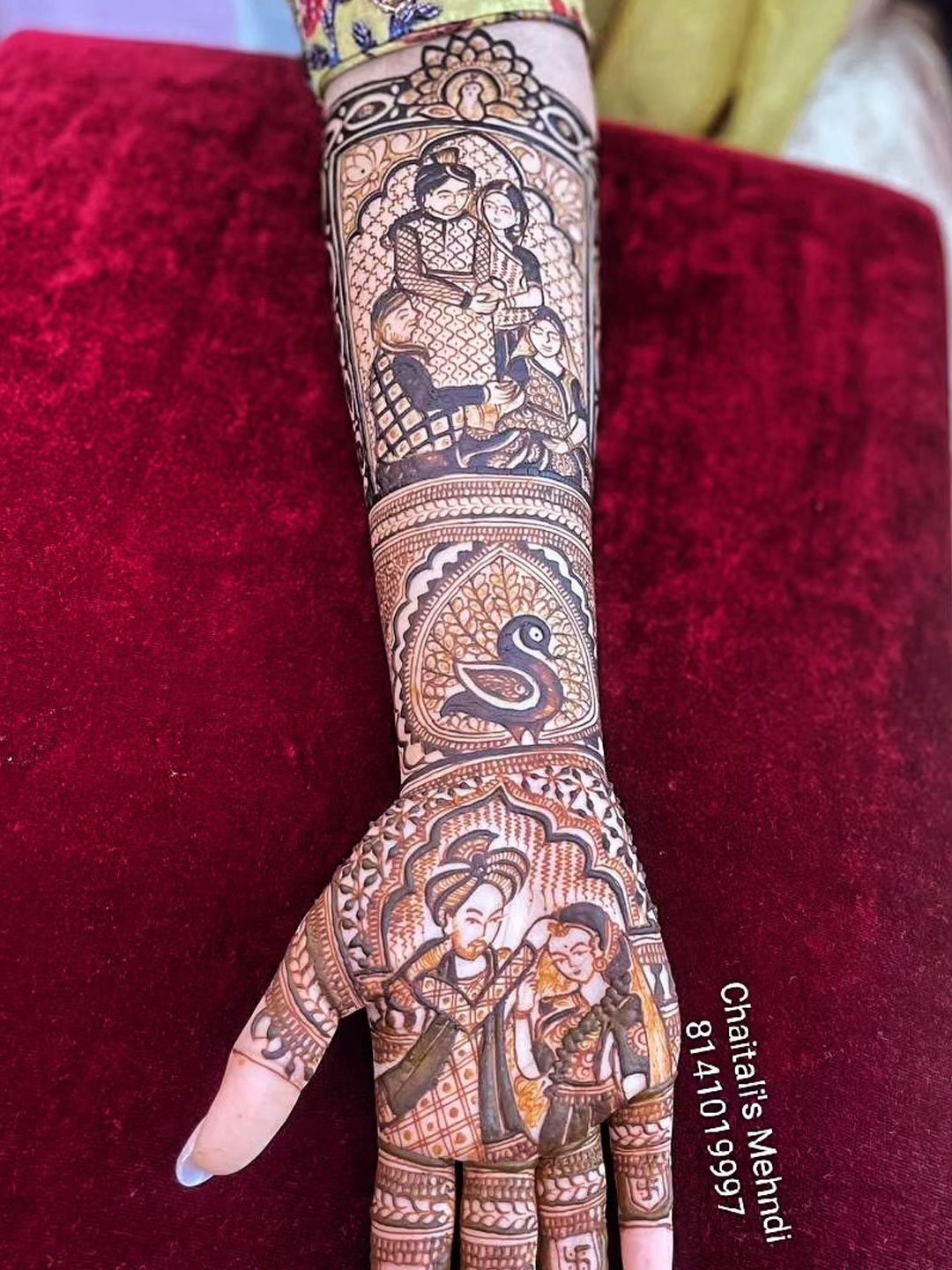
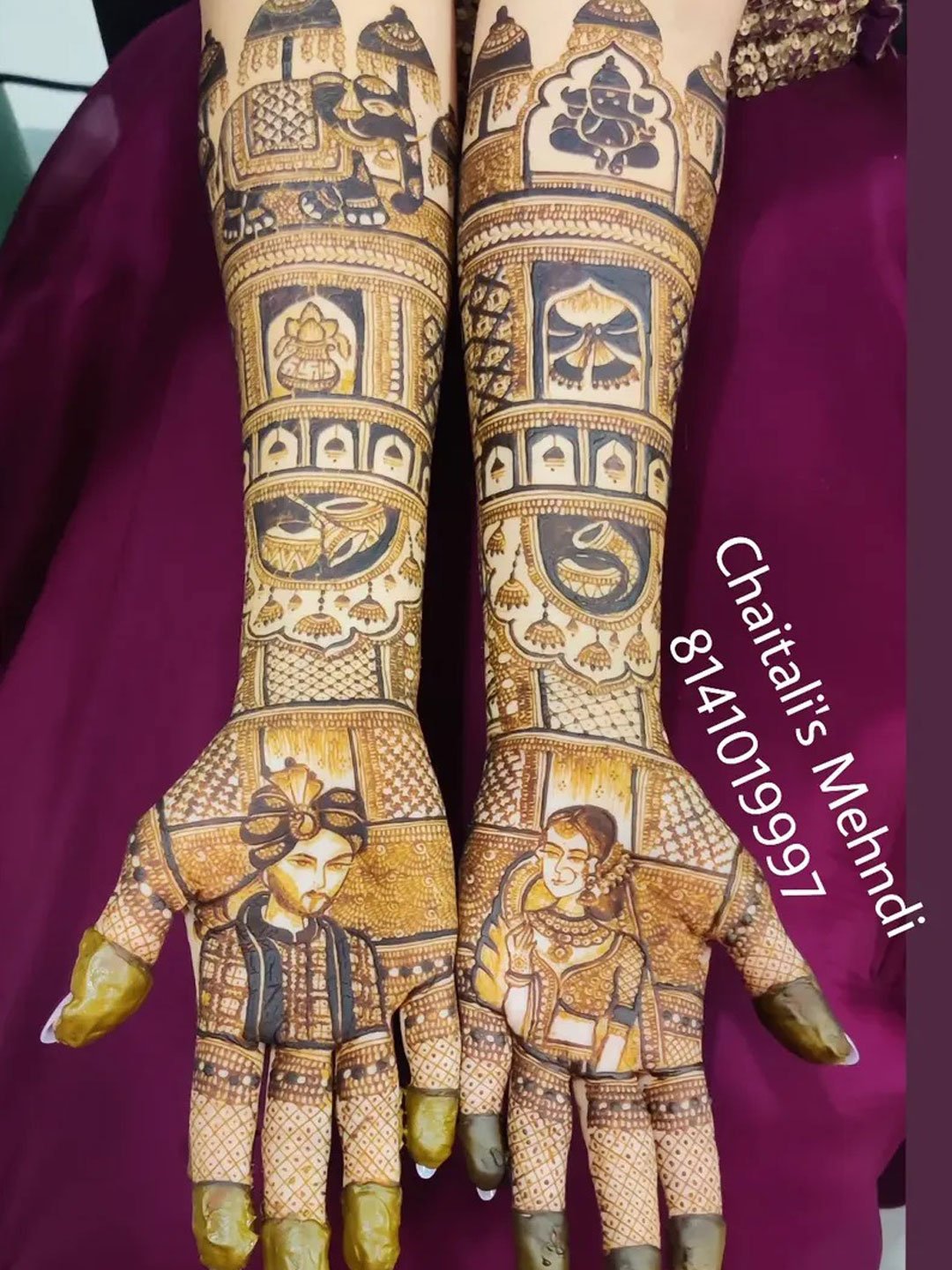
The palm offers the largest, most open canvas on the hand, which is exactly why it’s remained the traditional centre of bridal mehndi for so long. There’s enough space for elaborate centrepieces — mandalas, peacocks, portrait work — surrounded by dense floral or paisley fill, without the design feeling broken up by fingers or knuckles the way a back-hand design can be.
It’s also the side most closely tied to ritual. In many traditions, showing the palms to compare mehndi with sisters, cousins, and friends is part of the celebration itself, and the practice of hiding a groom’s name or initial for him to find has always centred on the palm. For brides who want their mehndi to feel deeply traditional, the palm is where that tradition is most naturally expressed.
The trade-off is visibility during the wedding itself. Since palms tend to face inward — holding a bouquet, clasped together, resting in a lap — a stunning palm design can end up being seen mostly by the bride herself, and by anyone who specifically asks to see it, rather than appearing prominently in candid or posed photography.
What Back-Hand Mehndi Does Best
The back of the hand’s biggest strength is simple: it’s almost always visible. It’s the side that faces outward during a handshake, a ring exchange, or a hand resting on a partner’s shoulder during photos. For brides who want their mehndi to be a visible part of their overall bridal look throughout the day — not just something admired up close — the back of the hand is where that visibility lives.
It also tends to suit more contemporary, minimalist design approaches particularly well. Because the back of the hand is a narrower, more broken-up canvas — divided by fingers, punctuated by knuckles — lighter, more open patterns often look more balanced here than dense traditional fill would. This has made it a popular choice for brides drawn to modern, understated bridal mehndi.
The trade-off is scale. Because the back of the hand offers less open surface area than the palm, particularly demanding centrepieces like a full, densely filled mandala or an elaborate peacock with a wide fanned tail sometimes read better when given the palm’s larger canvas to work with.
Side-by-Side: Front-Hand vs Back-Hand Mehndi
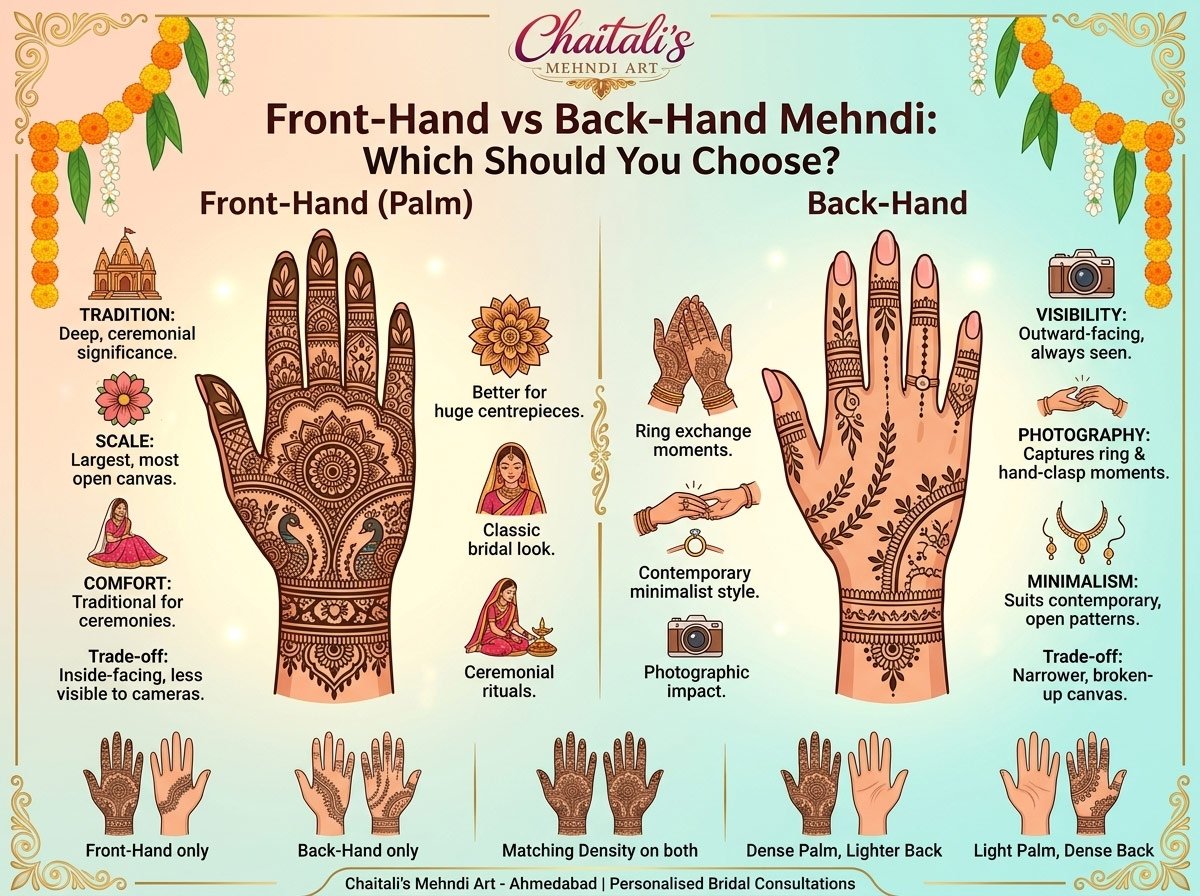
Visibility during the wedding. The back of the hand wins clearly here — it’s the side that’s naturally on display during handshakes, ring moments, and most candid photography. The palm is far less visible unless deliberately shown.
Traditional significance. The palm carries the stronger association with ritual and custom, particularly around name-hiding traditions and the classic image of dense bridal detailing.
Canvas size for elaborate centrepieces. The palm offers considerably more open space, making it the better choice for large, dense motifs like a full mandala or wide peacock tail.
Suitability for minimalist designs. The back of the hand tends to suit lighter, more open patterns particularly well, since its narrower shape doesn’t demand heavy fill to look complete.
Photography. The back of the hand photographs more consistently throughout the day, since it’s the side most naturally facing outward in candid shots. The palm photographs beautifully too, but usually only in deliberately posed hand shots.
Comfort during long ceremonies. Some brides find a densely filled palm slightly less comfortable to keep still for extended periods, particularly if hands need to remain open and visible for hours. A lighter back-hand design can feel less restrictive.
Common Approaches Brides Take
Rather than choosing one side exclusively, most brides land on one of a few common combinations.
Matching density on both sides is the most traditional route — dense detailing on the palm mirrored by equally elaborate work on the back of the hand, creating one continuous, fully bridal look regardless of which way the hand is turned.
Dense palm, lighter back-of-hand puts the bulk of traditional detailing where custom expects it, while keeping the visible side cleaner and less busy — a good middle ground for brides who want ritual on one side and a camera-ready finish on the other.
Light palm, dense back-of-hand flips the traditional approach, prioritising the side that shows in photographs while keeping the palm comparatively simple. This has become more common among brides planning their mehndi with photography specifically in mind.
Back-hand only, minimal palm detail is the most contemporary option, often paired with a minimalist bridal aesthetic overall — light detailing focused entirely on the visible side of the hand, with the palm left largely bare or given only a small accent.
How to Decide Which Side to Prioritise
A few honest questions tend to make this decision easier.
How important is tradition to your overall wedding? If ritual and family expectation are a major part of your day, a dense, traditional palm design is likely to feel more meaningful than a purely photography-driven approach.
How much does photography matter to you specifically? If you know you’ll be looking at your wedding photos for years and want your mehndi to show up clearly in them, weighting more detail toward the back of the hand is worth prioritising.
What’s your overall bridal aesthetic? Brides leaning toward a dense, traditional look across jewellery and outfit tend to naturally gravitate toward palm-heavy designs. Brides going for a cleaner, more contemporary look often prefer the back-hand-forward approach.
How much time do you realistically have? A fully dense design on both sides takes considerably longer than prioritising one side over the other. If your mehndi session is time-constrained, deciding which side matters more helps your artist allocate detail efficiently.
Tips for Planning Whichever You Choose
- Bring your priorities to the consultation, not just reference photos. Telling your artist “I care most about how this looks in photos” or “I want this to feel deeply traditional” helps them plan the balance between palm and back-of-hand from the start.
- Think about specific wedding-day moments. If you know a ring shot or hand-clasping photo is planned, mention it — it directly affects how much detail should go on the back of the hand.
- Don’t assume one side has to be bare if the other is dense. A lighter accent design on the less-prioritised side still ties the whole hand together, even if it’s not the focal point.
- Ask your artist for their honest read on your hand shape. Some hands naturally suit a larger palm centrepiece; others have more defined knuckle structure that lends itself well to a back-hand design. A good artist will factor this into their recommendation.
- Decide early if you want matching density. This is one of the bigger structural decisions in your design, so settling it before the session starts avoids having to compromise mid-way through.
Front-Hand vs Back-Hand Across Wedding Styles
For a traditional Indian wedding, matching dense detail on both palm and back-of-hand remains the most common choice, keeping the design fully bridal from every angle. For a contemporary or fusion wedding, a lighter palm paired with a more deliberate back-hand design often suits the overall aesthetic better, especially alongside simpler outfits and statement jewellery. For a destination wedding, many brides lean toward prioritising the back of the hand specifically, since time is often tighter and the back-hand design tends to deliver more visible impact for the time invested.
Frequently Asked Questions
Is one side more painful or take longer to apply than the other? Not meaningfully. Application time depends more on density and detail than which side of the hand it’s on. A dense palm and a dense back-of-hand design take roughly comparable time for similar levels of detail.
Can I have a different style on each side, like traditional on the palm and minimalist on the back? Yes, this is a very common approach and one of the easiest ways to get the traditional feel you want while still having a design that photographs cleanly.
Which side should I prioritise if I’m not sure yet? If you’re undecided, back-hand detailing is generally the safer default, since it guarantees visibility throughout the day regardless of how the rest of your mehndi planning develops.
Does the back of the hand fade faster than the palm? Henna typically stains the palm slightly darker and longer-lasting than the back of the hand, due to differences in skin thickness, though both sides generally last within a similar overall timeframe with proper aftercare.
Can I get a centrepiece motif, like a peacock or mandala, on the back of my hand instead of the palm? Yes, both motifs work well on the back of the hand, particularly in a slightly more contained or streamlined version suited to the smaller canvas.
Final Thoughts
There’s no universally correct answer to front-hand versus back-hand mehndi — only the answer that fits your priorities, your wedding style, and how you want your hands to look and feel on the day itself. Whether you lean traditional with a dense palm centrepiece, prioritise the back of the hand for its visibility in photographs, or land somewhere in between with a balanced design on both sides, the right choice is simply the one that reflects what matters most to you.
If you’re planning your wedding mehndi and want help deciding how to balance palm and back-hand detailing for your specific hand, outfit, and wedding-day plans, Chaitali’s Mehndi Art offers personalised bridal mehndi consultations, engagement mehndi, and portrait mehndi services across Ahmedabad. Get in touch to start planning a design that’s balanced exactly the way you want it.